


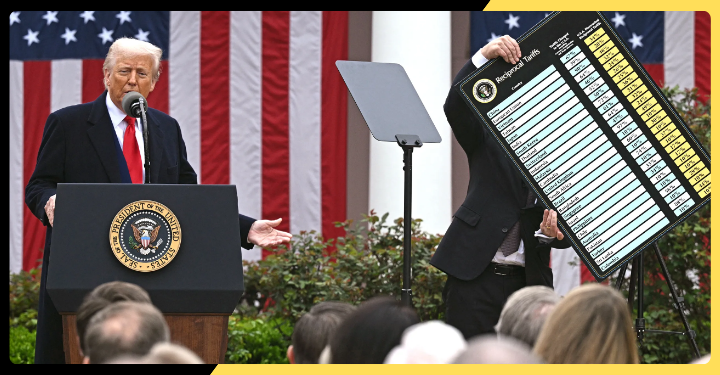
A coalition of 25 U.S. states has launched a major legal challenge against the Trump administration, accusing it of unlawfully imposing a new round of tariffs on dozens of international trading partners. The lawsuit, filed in the U.S. Court of International Trade, marks the latest chapter in an ongoing dispute over President Donald Trump’s aggressive trade policies and the extent of presidential authority in setting import duties.
According to the complaint, the states argue that the administration’s latest tariffs are an attempt to replace earlier import duties that had already been struck down by the U.S. Supreme Court. The plaintiffs claim that the White House is using a different legal mechanism to achieve essentially the same outcome that courts previously ruled unlawful.
The new tariffs, ranging between 10% and 12.5%, target imports from approximately 60 trading partners, including the European Union and several major global economies. The administration says the tariffs are intended to pressure foreign governments to address forced labor in global supply chains, particularly in manufacturing sectors.
However, the coalition of states argues that the justification is merely a pretext to restore broad tariffs that had previously been invalidated. State attorneys general contend that the administration failed to follow the legal requirements necessary for imposing such sweeping trade restrictions under Section 301 of the Trade Act of 1974.
The lawsuit also claims the tariffs will ultimately hurt American consumers and businesses by increasing the cost of imported goods. Higher import duties often lead to increased prices on products ranging from electronics and machinery to household items, creating additional inflationary pressure on families and companies.
Several Democratic-led states argue that businesses within their jurisdictions depend heavily on international trade. Manufacturers, retailers, and small businesses could face higher operating costs, making it more difficult to remain competitive.
The legal filing points out that previous court decisions have already limited the president’s ability to impose tariffs without clear congressional authorization. The states argue that changing the legal statute used to justify tariffs does not automatically make the policy lawful.
Meanwhile, the Trump administration maintains that the latest tariffs are fully authorized under Section 301, which has historically been used to address unfair foreign trade practices. Officials argue that forced labor concerns justify strong economic measures against countries that fail to prevent such practices.
Trade experts suggest the case could become one of the most significant legal battles over presidential trade powers in recent years. Because the administration is relying on a different statute than previous tariff actions, the courts may examine new legal questions regarding executive authority.
Economists remain divided over the likely economic impact. Supporters believe tariffs encourage domestic manufacturing and reduce dependence on foreign imports, while critics argue they function as hidden taxes paid by American consumers.
The lawsuit is expected to proceed through the Court of International Trade before potentially reaching higher federal courts. The outcome could influence future U.S. trade policy and define how much authority future presidents possess in imposing tariffs without congressional approval