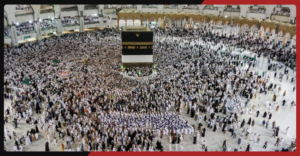
The much-anticipated arrival of Ramadan, or Ramzan, in 2025 has arrived, ushering in a period of fasting, prayer, and self-discipline for Muslims all over India. This year, the first day of Ramadan in India has been officially confirmed to begin on the evening of March 30, 2025, following the local sighting of the crescent moon, in accordance with Islamic tradition. As always, the start of Ramadan brings together millions of Muslims across India, with varying customs and practices that reflect the diverse cultural makeup of the nation.
The Crescent Moon: A Symbol of Hope and Renewal
In the Islamic faith, the sighting of the crescent moon signals the start of Ramadan, a month-long period dedicated to reflection, devotion, and spiritual purification. The moon sighting is an essential ritual for Muslims, as it marks the beginning of the sacred month. In India, the moon sighting is conducted by local religious authorities, who then announce the first day of fasting based on the visibility of the moon in different regions. This practice results in a slight variation in the exact date of Ramadan’s commencement across the country, with regions like Kerala, Delhi, and Uttar Pradesh sometimes observing Ramadan on different days due to local moon sightings.
The crescent moon itself holds deep significance in Islamic culture, symbolizing a new beginning and hope for the future. This symbolic gesture of the moon’s appearance serves as a reminder for Muslims to begin their journey of self-restraint and prayer, focusing on renewing their faith and connecting with Allah.
Ramzan in the Context of Indian Diversity
India is a land of diverse traditions, languages, and cultures, and this diversity is reflected in how Ramadan is observed across the country. While the core practices of fasting, praying, and giving charity remain consistent, regional variations in the celebration of the holy month add a unique flavor to the observance of Ramadan in different parts of the country.
In northern India, especially in cities like Delhi and Lucknow, Ramadan is celebrated with grand iftar parties, often featuring large gatherings of family and friends, who share an evening meal after a day of fasting. The traditional foods served during these meals, such as kebabs, biryanis, and korma, are a hallmark of the region’s Muslim culinary heritage. The streets in these cities come alive with special Ramadan bazaars offering everything from dates and sweets to prayer rugs and Islamic books.
In southern India, particularly in Kerala and Tamil Nadu, Ramadan is celebrated with a focus on both spiritual practices and communal meals. The iftar here may feature dishes such as pathiri (rice pancakes) and various seafood delicacies, reflecting the region’s coastal culture. The distinct flavors and dishes of the South create an opportunity for Muslims to share meals and create bonds of unity with their neighbors.
In the northwestern states like Rajasthan and Gujarat, Ramadan is observed with a blend of local customs and Islamic traditions. During Ramadan, mosques and homes are often adorned with lights, and local communities organize special prayer sessions. The significance of Ramadan in these regions extends beyond the personal and religious, with many Muslims engaged in charitable activities to help those less fortunate.
The Role of Technology in Modern Ramadan Observance
In the 21st century, technology has played an increasingly significant role in the way Ramadan is observed across India. Many Muslims now rely on mobile apps and online moon sighting websites to confirm the beginning of the month. Social media platforms, too, have provided a space for Muslims to share their experiences, prayers, and reflections on Ramadan. From online prayer groups to live-streamed sermons, technology helps to bridge geographical distances, allowing Muslims in India and across the world to remain connected during this holy time.
Additionally, food delivery services are increasingly being used to cater iftar meals, which helps working professionals and busy families observe the fast without the stress of preparing large meals. Ramadan-related merchandise, such as special prayer mats and Qurans, are also readily available online, further emphasizing the modern convenience of celebrating the holy month in a digital age.
Challenges Faced During Ramadan in India
Despite the joy and spiritual fulfillment Ramadan brings, there are challenges that some Muslims face during the month. For example, the intense summer heat in many parts of India can make fasting difficult, as the long hours between dawn and sunset demand significant physical endurance. This is especially challenging for people in rural areas, laborers, and those without access to cooling facilities.
Economic struggles also play a role in the observance of Ramadan. While fasting itself is free, the need for special foods during suhoor and iftar can be financially taxing for some families, particularly those in economically disadvantaged sectors. This highlights the importance of charity during Ramadan, as Muslims are encouraged to donate to those in need and to share what they have with others.
Ramadan’s Conclusion: Eid al-Fitr
At the end of Ramadan, Muslims celebrate Eid al-Fitr, a festival that signifies the conclusion of a month of fasting. Eid is a joyous occasion marked by prayers, feasts, and the exchange of gifts. The end of Ramadan is a time of immense gratitude and celebration, and for many in India, it is also a moment to reflect on the experiences of the holy month.
In conclusion, the announcement of the first day of Ramadan in 2025 is a time for Muslims across India to embrace the spiritual, social, and cultural significance of the holy month. Ramadan is not just a religious observance, but a time for strengthening community bonds, fostering a sense of shared values, and reflecting on the deeper meaning of life.
Journalist Details