One of the most distinctive features of Indian jurisprudence is the recognition of Hindu deities as juristic persons. This legal doctrine, developed over more than a century through judicial decisions, enables a deity to own property, enforce legal rights, and be represented before courts through authorized human representatives. The concept plays a central role in disputes involving temple property, including allegations of embezzlement, misuse of donations, or unauthorized transfers of religious assets.
A juristic person, also known as a legal or artificial person, is an entity that the law recognizes as having legal rights and obligations even though it is not a natural human being. Examples include corporations, statutory authorities, universities, trusts, and, under Indian law, certain Hindu deities. Such entities can own property, sue and be sued, and enter into legal relationships through their authorized representatives.
The legal recognition of Hindu idols as juristic persons evolved during the colonial period and has since been consistently affirmed by Indian courts. The doctrine reflects the unique nature of Hindu religious endowments, where property is dedicated not to an individual priest or trustee but to the deity itself. Once a devotee dedicates land, money, ornaments, or other assets to a deity, ownership is considered to vest in the deity. The persons administering the temple merely manage those assets on behalf of the deity.
This principle serves an important protective function. If temple property belonged to the individuals managing the institution, it could be sold, inherited, or otherwise treated as private property. By recognizing the deity as the legal owner, Indian law ensures that the assets remain permanently dedicated to religious purposes and cannot be appropriated for personal gain.
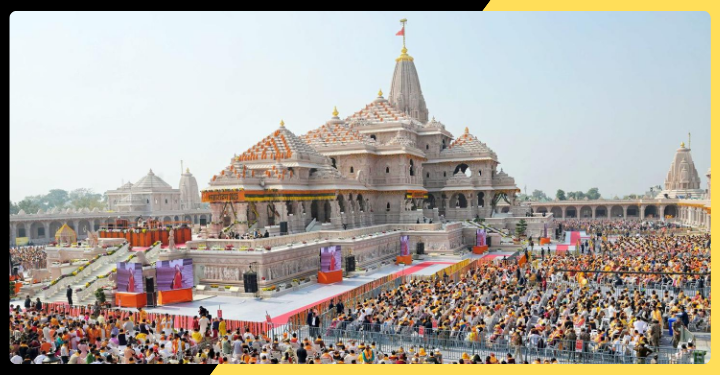
A significant judicial affirmation of this doctrine came in the decision of the Supreme Court in the Ayodhya title dispute, where the Court recognized the deity as a juristic person capable of holding legal rights and interests in the property dedicated to it. Earlier judgments of the Supreme Court and various High Courts had also consistently recognized this legal status in matters relating to Hindu religious endowments. These decisions have established that the deity remains the true beneficiary of all dedicated property.
The practical consequences of juristic personality are extensive. Temple lands, buildings, donations, bank accounts, gold ornaments, and other valuable assets are legally owned by the deity. Trustees, shebaits, priests, or committees administering the temple possess only managerial authority. They must exercise that authority honestly, prudently, and exclusively for the benefit of the deity and the religious institution.
This fiduciary relationship imposes strict legal duties. Administrators are expected to maintain proper financial records, preserve temple assets, avoid conflicts of interest, and ensure that donations are used only for authorized religious and charitable purposes. Any misuse of funds, unauthorized transfer of property, or diversion of donations may constitute a breach of trust and invite judicial intervention.
Courts have repeatedly emphasized that those managing temple property occupy positions of trust rather than ownership. They cannot mortgage, lease, sell, or otherwise dispose of temple assets unless permitted by law and unless such transactions genuinely serve the interests of the religious endowment. Even where statutory approval exists, courts may review whether the transaction protects the interests of the deity.
The doctrine of juristic personality also allows legal proceedings to continue irrespective of changes in temple management. Trustees may retire, die, or be replaced, but the deity remains the permanent legal owner of the endowed property. This continuity protects religious endowments across generations and ensures that temporary administrators cannot undermine the institution’s long-term interests.
In cases involving allegations of embezzlement, this legal doctrine becomes particularly significant. If donations or temple assets are alleged to have been misappropriated, the primary legal injury is regarded as one suffered by the deity, the juristic owner of the property. Courts therefore examine whether those entrusted with management have fulfilled their fiduciary obligations or breached the confidence reposed in them.
The recognition of Hindu deities as juristic persons is more than a legal fiction. It is a carefully developed doctrine that safeguards religious endowments, preserves the intentions of devotees, and ensures that temple property remains dedicated to worship and public religious purposes. By separating ownership from management, Indian law creates a robust framework for protecting sacred assets from misuse while maintaining continuity in the administration of religious institutions.
Journalist Details