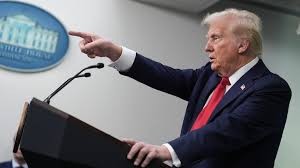
In a bold step to protect American industries, President Donald Trump has announced the imposition of a 25% tariff on all imported steel and aluminum. The move, which is part of the administration’s broader “America First” trade policy, aims to revive the U.S. manufacturing sector, reduce trade deficits, and bolster national security by limiting reliance on foreign metals. The tariff targets countries that export steel and aluminum to the U.S., including China, Canada, the European Union, and Mexico.
The Trump administration has long argued that U.S. manufacturers, particularly in the steel and aluminum industries, have been undermined by unfair trade practices. According to the White House, foreign governments—especially China—have been engaged in dumping cheap steel and aluminum into the U.S. market, subsidizing their domestic industries, and using trade policies that harm American jobs. By imposing the 25% tariff, the Trump administration aims to create a level playing field, encouraging the growth of domestic production and job creation in key manufacturing sectors.
While the tariff is expected to benefit American producers in the steel and aluminum industries, it has sparked concerns across various sectors that depend on these metals. Industries like automotive manufacturing, construction, and aerospace, which rely on steel and aluminum for their products, worry that the increased costs will lead to higher prices for consumers. American car manufacturers, in particular, have raised alarms that the tariffs could increase production costs, potentially making U.S.-made vehicles less competitive both at home and abroad.
The imposition of the tariff has also raised concerns about the potential for retaliation from trading partners. The European Union, China, and Canada have all indicated that they may impose retaliatory tariffs on U.S. exports in response to the steel and aluminum levies. Such measures could further strain international trade relations, leading to trade wars and escalating tensions between the U.S. and its key allies. In particular, countries like Canada and Mexico, who are closely tied to the U.S. economy through the North American Free Trade Agreement (NAFTA), could target U.S. agricultural products, automobiles, and other goods in retaliation.
Supporters of the tariff argue that the policy is necessary to address decades of trade imbalances and to restore American manufacturing to its former strength. They point to the decline of the U.S. steel industry over the past several decades, as companies struggled to compete with cheaper imports. President Trump has emphasized that the tariffs are a vital step to bring jobs back to American steel mills and aluminum plants, which have faced shutdowns and layoffs due to foreign competition.
However, critics argue that the tariffs could ultimately harm the U.S. economy in the long run, leading to higher prices for a broad range of consumer goods. Some economists warn that the tariff will reduce the purchasing power of U.S. consumers, particularly in industries that are dependent on affordable raw materials. There are also concerns that the tariffs could disrupt global supply chains and create economic instability.
As the 25% tariffs take effect, the world is watching closely to see how other nations will respond and whether the U.S. economy will benefit from the policy or experience unforeseen negative consequences. The imposition of the tariffs marks a critical juncture in the Trump administration’s trade strategy, and its impact on the U.S. economy, international relations, and global trade remains to be seen.
Journalist Details