


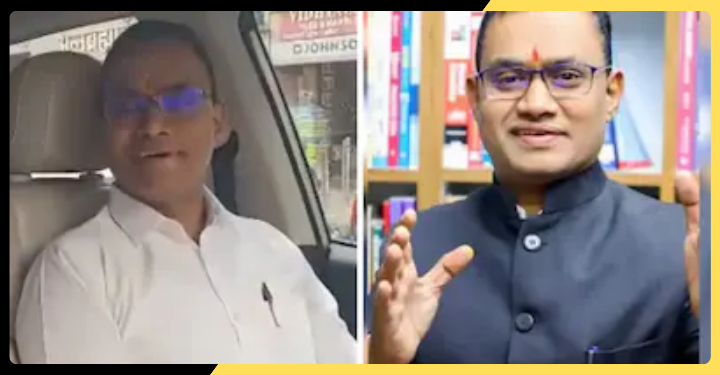
The NEET paper leak investigation has taken a sensational turn with police naming a former anti-cheating activist as an accused in the latest exam fraud case. The man, who became widely known during protests in 2024, had once demanded strict action against those responsible for compromising the medical entrance examination. Today, investigators allege he may have secretly been linked to the same network he publicly criticized.
The accused had gained popularity among students after appearing in demonstrations and media discussions focused on examination transparency. He frequently spoke about the pressure faced by aspirants and accused authorities of failing to safeguard the future of honest students.
However, police officials now believe his public campaign may have concealed deeper involvement in organized malpractice activities. According to investigators, evidence collected during recent raids pointed toward communication between the accused and individuals already under investigation for suspected exam fraud.
Officials say financial records, digital chats, and witness statements are being analyzed to establish the extent of his involvement. Several suspects allegedly identified him as someone connected to student coordination and information exchange within the network.
The development has generated widespread debate online. Many students who once supported his activism expressed shock over the allegations. Some questioned whether his anti-leak campaign had been a strategy to divert attention away from the operation.
The NEET examination remains one of India’s most competitive entrance tests, with lakhs of students appearing each year. Allegations of leaks and cheating have repeatedly raised concerns about fairness and transparency in the system.
Authorities suspect the latest racket operated through a well-organized structure involving brokers, coaching contacts, and technology-assisted communication. Investigators believe candidates willing to pay large sums were promised unfair access to examination-related information.
Education experts say the controversy highlights serious weaknesses in examination security mechanisms. They argue that recurring scandals reduce confidence among genuine students and place enormous emotional pressure on families investing years into preparation.
Student groups across several states have demanded swift and transparent action. Protesters have called for stricter punishments, independent audits of examination procedures, and improved digital safeguards to prevent future leaks.
Meanwhile, the accused has denied any wrongdoing. Through his lawyers, he claimed the allegations are baseless and politically motivated. His legal team argued that no court has established his involvement and appealed for restraint in public discussions surrounding the case.
Political reactions have intensified as rival parties traded accusations over the handling of educational institutions and examination authorities. Critics argue stronger preventive measures should have been introduced after earlier controversies emerged in 2024.
Investigators are continuing forensic analysis of electronic devices seized during raids. Officials believe additional names may emerge as the probe expands. Authorities are also exploring whether similar networks may have influenced other competitive examinations.
For millions of students preparing for entrance tests, the controversy represents another blow to trust in the system. The dramatic transformation of a public protest figure into an accused individual has added a layer of irony and suspicion to an already sensitive issue.
As the investigation progresses, the case is expected to remain in national focus. Whether the allegations are ultimately proven or disproven, the controversy has intensified demands for major reforms in India’s examination process and stronger protection against organized academic fraud.