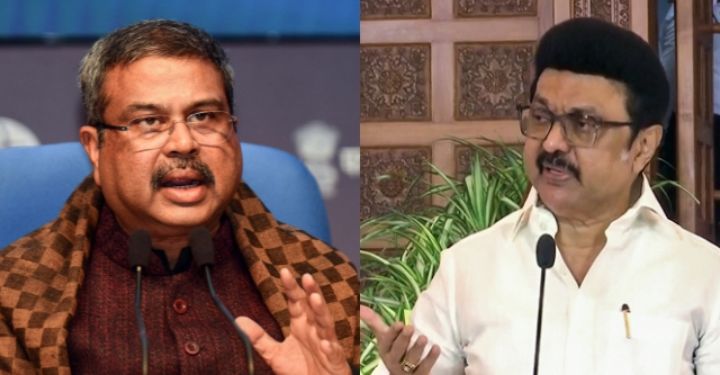
In the latest chapter of the ongoing debate over Hindi imposition, the Centre has defended its stance on the national language policy, while Tamil Nadu has harshly criticized what it deems an “arrogant” and “insensitive” attitude toward regional languages. The conflict centers around the central government’s push to make Hindi a compulsory language in educational institutions across the country.
Union Ministers have argued that Hindi, being the most widely spoken language in India, should be prioritized in schools as a unifying force. However, Tamil Nadu politicians have sharply rejected this idea, accusing the Centre of disregarding the cultural and linguistic diversity of the country. Tamil Nadu has always maintained that Hindi imposition goes against the democratic rights of states to decide their own educational policies.
Politicians in Tamil Nadu have accused the Centre of acting with a high-handed attitude, ignoring the legitimate concerns of the state. The argument is that Hindi should be an optional language, and forcing students to learn it is an unnecessary burden. At the heart of the dispute is a larger issue of the federal structure of India, with Tamil Nadu asserting that the Centre is overstepping its constitutional limits.
Journalist Details