


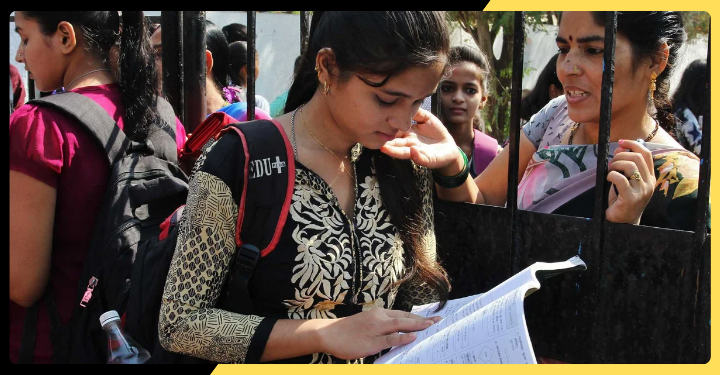
A growing examination controversy is unfolding across India as thousands of students question the accuracy of their final scores in several major academic and competitive examinations. What began as isolated complaints has developed into a nationwide discussion about transparency, accountability, and fairness in the country’s evaluation system.
Students from different educational boards, universities, and competitive examination streams have reported concerns regarding their results. Many candidates claim that the marks they received do not reflect their actual performance in the examinations. As a result, social media platforms, student forums, and educational communities have become flooded with discussions surrounding alleged scoring discrepancies.
The controversy intensified after students began comparing their expected performance with their final marks. Several candidates stated that they had consistently achieved strong results throughout the academic year and performed confidently in the examinations. However, the scores released by examination authorities were significantly lower than anticipated, leading many to suspect errors in evaluation or score compilation.
For many students, the stakes are extremely high. Examination scores often determine eligibility for university admissions, scholarships, internships, and professional courses. In a highly competitive academic environment, even a small reduction in marks can influence rankings and affect future opportunities. Consequently, concerns about score accuracy have generated widespread anxiety among candidates and their families.
Many students have requested copies of their answer sheets or applied for re-evaluation. In some instances, revised assessments reportedly resulted in higher scores, raising questions about the reliability of the original evaluation process. These cases have become central to the ongoing debate, with students arguing that if corrections are possible after review, more extensive verification procedures may be necessary before results are initially published.
Parents have emerged as strong supporters of students seeking greater transparency. They argue that educational assessments play a crucial role in shaping academic futures and should therefore be conducted with the highest levels of accuracy. Families often invest significant financial and emotional resources in education, making unexpected score discrepancies particularly distressing.
Education specialists note that large-scale examinations present substantial logistical challenges. Millions of answer sheets must be evaluated within relatively short timeframes, requiring extensive coordination among examiners and administrative staff. While most examinations are completed successfully, experts acknowledge that occasional errors can occur due to human oversight, technical issues, or procedural inconsistencies.
The increasing volume of complaints has prompted student groups to demand reforms. Among the most common demands are improved access to answer sheets, more detailed score breakdowns, standardized evaluation guidelines, and affordable review mechanisms. Students argue that understanding how marks are awarded is essential for maintaining confidence in the examination system.
Several advocacy groups have also called for independent reviews of examination procedures. Such reviews, they argue, could identify potential weaknesses in current systems and recommend improvements to reduce future disputes. Transparency advocates believe that external oversight can strengthen public trust and ensure accountability.
Examination authorities have responded by emphasizing the safeguards already in place. Officials point out that multiple rounds of moderation, verification, and quality checks are often conducted before results are finalized. They maintain that evaluation systems are designed to ensure consistency and fairness across large numbers of candidates.
Despite these assurances, critics argue that the current grievance process can be difficult to navigate. Re-evaluation fees, procedural requirements, and lengthy waiting periods may discourage some students from pursuing appeals. Additionally, admission deadlines and counseling schedules often continue while review requests are being processed, creating uncertainty for affected candidates.
The controversy has also renewed discussions about the broader structure of educational assessment in India. Some experts believe that excessive reliance on a single examination creates unnecessary pressure and magnifies the impact of any evaluation errors. They advocate for a more balanced approach that combines examinations with continuous assessment, coursework, practical evaluations, and project-based learning.
Technology is increasingly viewed as a potential solution. Digital answer-sheet scanning, automated totaling systems, and advanced verification software could help reduce mistakes while improving efficiency. Artificial intelligence-based tools are also being explored to assist human evaluators in maintaining consistency. However, experts caution that technological systems require careful monitoring and regular audits to ensure reliability.
Beyond administrative concerns, the issue has had a significant emotional impact on students. Many candidates describe feelings of confusion, disappointment, and stress after receiving unexpected results. For students who have spent years preparing for important examinations, doubts about score accuracy can be particularly difficult to accept.
As authorities continue to address complaints and process re-evaluation requests, the controversy highlights the importance of maintaining confidence in educational institutions. Fair and accurate assessment remains fundamental to academic integrity. The growing calls for reform suggest that students, parents, and educators are seeking a system that combines efficiency with transparency, ensuring that every candidate receives the evaluation they deserve.
The outcome of this debate may influence future examination policies and encourage broader reforms designed to strengthen trust in India’s educational assessment framework.