


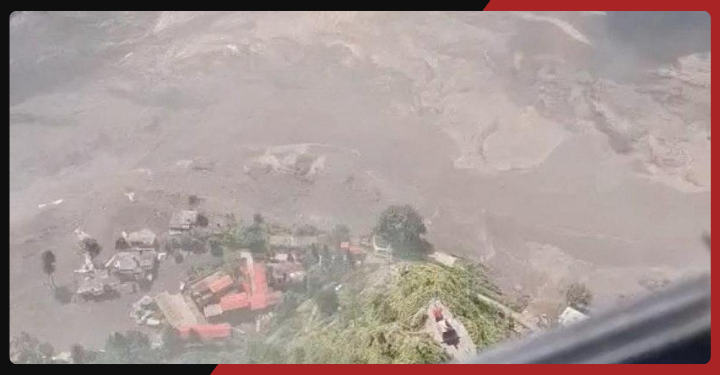
India has stepped forward to support Nepal after a devastating flash flood struck the Himalayan nation, killing several people and leaving hundreds missing. The disaster, which hit Nepal’s Rasuwa district near the China border, caused widespread destruction and created an urgent humanitarian crisis. India has assured Nepal of all possible assistance and is preparing emergency relief supplies.
Prime Minister Narendra Modi spoke with Nepal’s Prime Minister Balendra Shah following the disaster. Modi expressed condolences over the loss of lives and assured Nepal that India would provide humanitarian and relief support. The conversation came as Nepal’s rescue agencies were working to reach communities affected by the sudden flood.
The flash flood struck the Rasuwa region along the Bhotekoshi River system. The area is strategically important because it connects Nepal with Tibet and contains important roads, settlements and hydropower infrastructure.
The scale of the disaster became clear after reports emerged of people being swept away, villages being damaged and transport links being destroyed. Roads were covered with mud and debris, while bridges were reportedly washed away by the force of the water.
The situation has been particularly worrying for Indian families because more than 100 Indian nationals were reported missing. One widely cited estimate put the number of missing people at 384, including 105 Indians, although officials were still working to verify the figures.
Many of those reported missing were foreign tourists and pilgrims. The region is used by travellers heading towards Tibet, including people visiting the Mount Kailash area. The sudden nature of the disaster meant that travellers in remote areas could quickly become isolated.
India has been monitoring the situation closely through its diplomatic mission in Nepal. Emergency contact arrangements have been issued to help families seeking information about relatives who may have been travelling in the affected region.
Emergency relief material is expected to include essential medicines and food supplies. The Indian Air Force has also been placed on standby, allowing India to respond rapidly if Nepal requests air-based evacuation or additional logistical support.
The rescue challenge is enormous. Nepal’s mountainous geography makes ground access difficult even under normal circumstances. After the flood, damaged bridges and roads have made the task harder. Rescue personnel are therefore relying on available roads, helicopters and other methods to reach isolated locations.
Officials are also concerned about the possibility of further flooding. Reports have indicated that an upstream blockage may pose an additional danger, making evacuation and rescue operations more complicated.
The disaster has also affected hydropower infrastructure, adding another layer to the crisis. Damage to electricity projects could affect power generation and local services at a time when communities already need emergency assistance.
India and Nepal share close geographic and cultural ties, and India has frequently assisted Nepal during major disasters. The latest response reflects that relationship as India prepares to provide emergency supplies and logistical support.
For now, the immediate focus remains on saving lives, locating missing people and ensuring that survivors receive food, medicines and shelter. As rescue teams continue their operations, authorities are expected to release updated casualty and missing-person figures.
The Nepal flash flood has become one of the region’s most serious emergencies of the day, with the situation continuing to evolve rapidly.