


Tensions between the United States and Iran have reached a new level after Tehran launched missiles toward a U.S. military position in Jordan following American strikes that destroyed five Iranian oil tankers.
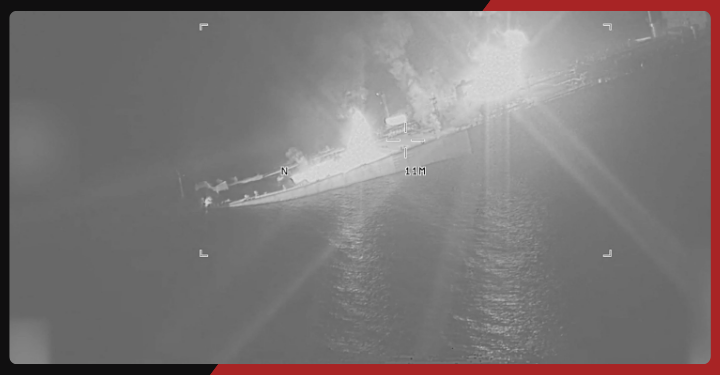
The latest confrontation began with attacks on American naval forces. U.S. Central Command said Iranian forces had attempted missile attacks against a U.S. Navy warship over several days. Washington subsequently announced that its forces had destroyed five Iranian crude carriers.
The United States presented the tanker operation as a military response to attacks against its naval forces and as part of its broader effort to pressure Iran economically. American officials have linked some Iranian oil shipments to networks allegedly supporting the Islamic Revolutionary Guard Corps.
Iran, however, viewed the American strikes as another escalation and responded militarily. Iranian ballistic missiles were fired toward U.S. positions in Jordan. Jordanian air defenses intercepted most of the incoming missiles, according to officials, limiting the immediate impact of the attack.
The attack is significant because it demonstrates that the confrontation is no longer confined to the Persian Gulf. Jordan sits farther west of Iran and hosts American military personnel and facilities that are important to U.S. regional operations.
The possibility of repeated Iranian missile attacks on American forces in countries such as Jordan could create a difficult situation for Washington. The United States must protect its troops while also preventing the conflict from expanding into a much larger regional war.
Iran has simultaneously intensified pressure on maritime traffic. Its Revolutionary Guard has claimed attacks against American vessels and commercial tankers around the Strait of Hormuz. Iranian forces have warned ships operating in areas Tehran considers unsafe or prohibited.
For international markets, this is particularly worrying. The Strait of Hormuz is one of the world’s most important energy routes. A serious disruption could affect crude oil supplies, shipping insurance costs and fuel prices in countries far away from the conflict.
Oil markets reacted quickly to the latest developments. Brent crude rose above $100 per barrel as traders considered the possibility that military activity could interfere with regional oil exports.
The United States has increasingly used economic pressure alongside military measures. The destruction of oil carriers sends a message that Washington is prepared to target revenue streams it believes support Iran’s military operations.
Iran’s response suggests that Tehran is also willing to impose costs on the United States by targeting American forces and challenging maritime traffic.
The two sides are therefore operating under a cycle of action and retaliation. American attacks on Iranian assets lead to Iranian strikes, which could then lead to further U.S. military operations.
The greatest concern among regional governments is that one attack could cause a much larger chain reaction. A missile strike that causes substantial American casualties, for example, could trigger a much more forceful U.S. response.
Jordan is also placed in a difficult position. While it hosts American forces and cooperates with Washington, it must protect its own territory and population from the consequences of the conflict.
As the United States and Iran continue their confrontation, the focus is now on whether diplomatic channels can prevent another round of escalation. Until then, the combination of military strikes, oil restrictions and threats to shipping is keeping the entire region on high alert.