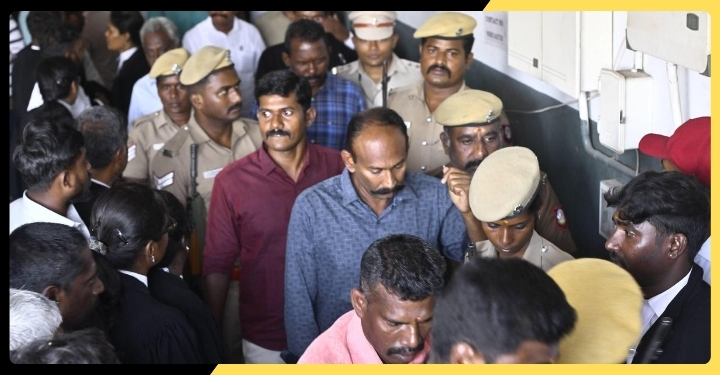
In a landmark verdict that has reignited conversations around police accountability in India, a special court has convicted all nine accused policemen in the brutal custodial deaths of P. Jayaraj and his son J. Benicks. The case, which shocked the nation in 2020, has now culminated in a judgment widely seen as a significant step toward justice.
The incident took place in the town of Sattankulam in Tamil Nadu, where the father-son duo was arrested for allegedly violating COVID-19 lockdown restrictions. What followed was a series of horrific events, as detailed in investigations, including severe custodial torture that ultimately led to their deaths.
The case was handed over to the Central Bureau of Investigation amid nationwide outrage and protests demanding justice. The investigation revealed damning evidence, including eyewitness testimonies, medical reports, and inconsistencies in police records, which collectively pointed toward custodial violence.
The court observed that the actions of the accused officers were not only unlawful but also a grave violation of human rights. The verdict emphasized the need for accountability within law enforcement agencies and highlighted the systemic issues that allow such abuses to occur.
The Sattankulam case became a symbol of the urgent need for police reforms in India. Civil society organizations, activists, and legal experts have consistently called for stricter oversight mechanisms, better training, and independent bodies to investigate allegations of custodial violence.
Families of the victims expressed relief and gratitude after the verdict, stating that while no judgment could bring back their loved ones, the conviction offers a sense of closure. The case has also set a precedent for how custodial deaths should be investigated and prosecuted.
As the country reflects on this judgment, it serves as a reminder that the rule of law must prevail, and those entrusted with enforcing it must be held to the highest standards of accountability.
Journalist Details