


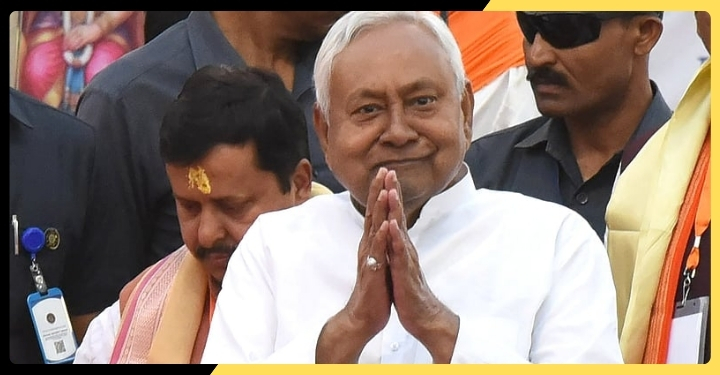
Amid increasing political buzz in Bihar, Nitish Kumar has resigned from the Bihar Legislative Council, setting off a wave of discussions about the potential implications of his decision.
As the leader of the Janata Dal (United) and a key figure in state politics, Nitish Kumar’s actions are closely watched. His resignation has added a new dimension to the ongoing political discourse in Bihar.
The reasons behind the move have not been officially confirmed, but speculation is rife. Some analysts suggest that it could be part of a broader political strategy, possibly involving a shift to the Legislative Assembly or a reconfiguration of alliances.
The response from opposition parties has been measured. The Rashtriya Janata Dal has called for clarity, while the Bharatiya Janata Party has emphasized the need to wait for an official explanation.
Nitish Kumar’s political career has been marked by adaptability and strategic decision-making. His resignation from the Council is consistent with this pattern, suggesting that it may be part of a calculated move rather than a sudden decision.
Supporters have rallied behind him, expressing confidence that the move will ultimately benefit the state. They point to his track record of governance and his ability to navigate complex political situations.
The Bihar Legislative Council, while less visible than the Assembly, plays an important role in the state’s legislative process. Nitish Kumar’s departure is therefore a notable event, with potential implications for the functioning of the Council.
As the situation unfolds, attention will remain focused on Nitish Kumar and his next steps. Whether this resignation leads to a significant राजनीतिक shift or simply marks a routine transition will become clearer in the coming days.
For now, the development has added to the dynamic and often unpredictable nature of Bihar’s political landscape, keeping both supporters and critics on their toes.