


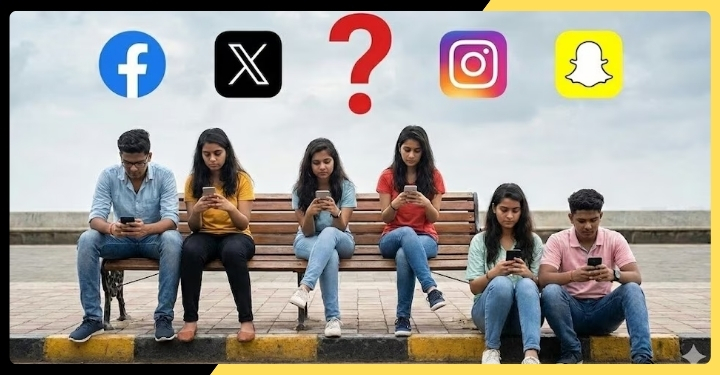
The Indian government is reportedly working on amendments to existing IT Rules that could bring news content on social media platforms under stricter regulatory oversight. This development highlights the growing importance of digital platforms in shaping public discourse.
At present, social media platforms are treated as intermediaries, meaning they are not directly responsible for user-generated content unless they fail to act on complaints. However, with the increasing influence of social media on news consumption, authorities believe this framework needs updating.
The proposed changes aim to hold platforms more accountable for the content they host. This could include requirements to verify news sources, remove harmful content promptly, and maintain transparency in content moderation practices.
Supporters of the move argue that it will help curb the spread of fake news and improve the overall quality of information available online. They believe that stronger regulations are necessary to protect users from misinformation and manipulation.
On the other hand, critics fear that the changes could lead to overreach and restrict free speech. There are concerns about who will decide what constitutes “fake news” and whether the rules could be misused to target dissenting voices.
Social media companies are likely to play a key role in shaping the final outcome. Their cooperation will be essential in implementing any new regulations effectively.
As the government continues its deliberations, the proposed changes have sparked widespread debate. The challenge lies in creating a framework that ensures accountability without compromising the fundamental right to freedom of expression.
If implemented, these changes could significantly alter the digital landscape, making social media platforms more responsible for the news content they disseminate.