


A new cycle of military confrontation between the United States and Iran has triggered fresh fears of a wider war across the Middle East after American forces struck targets inside Iran and Tehran responded with attacks against U.S. military interests.
The escalation represents one of the most serious moments in the ongoing confrontation between the two countries. What had appeared to be a period of reduced military activity has now been replaced by renewed missile strikes, military warnings and growing uncertainty across the region.
The United States said its latest military operation targeted infrastructure connected to Iran’s Islamic Revolutionary Guard Corps. American officials described the targets as including radar systems, air defenses, communications facilities and capabilities connected to Iranian maritime operations.
Washington said the action followed concerns about attacks or attempted attacks against American forces and commercial shipping.
Iran responded by launching missiles and drones toward American interests in the Middle East. The retaliatory attacks immediately raised concerns that other countries hosting U.S. military personnel could become increasingly involved in the confrontation.
Jordan, Bahrain and Iraq were among the countries affected by reports of Iranian attacks or attempted strikes. Regional governments moved quickly to monitor the security situation as air-defense systems were placed under increased pressure.
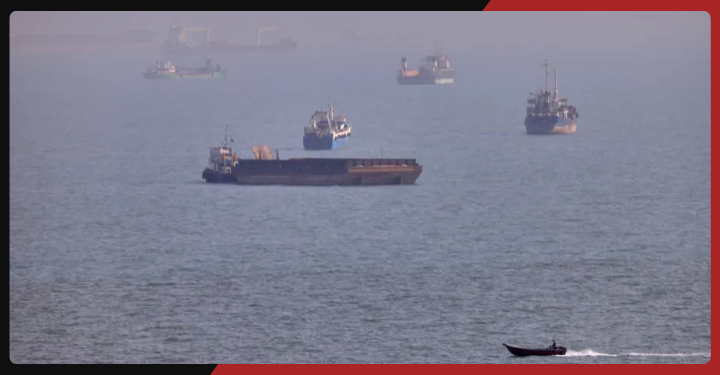
The renewed confrontation has also brought the Strait of Hormuz back into the center of global attention. The narrow waterway connects the Persian Gulf with international shipping routes and is critical for the movement of oil and other energy supplies.
Any major disruption in the area could have consequences for economies around the world.
President Donald Trump defended the American strikes and issued strong warnings to Tehran. His comments suggested that Washington was prepared to respond with additional military force if Iran continued attacking American targets.
Iranian authorities, however, made it clear that they considered retaliation necessary and warned that further American action could lead to additional responses.
One of the most worrying aspects of the latest fighting has been the impact on civilians. Reports from Iran indicated that a strike affected a residential location, causing deaths and injuries. Such incidents are likely to increase international pressure on both sides to prevent civilian populations from becoming trapped in the conflict.
The escalation also threatens to affect political relationships throughout the Middle East. Countries that maintain security partnerships with Washington are now concerned about becoming targets of Iranian retaliation.
Meanwhile, international diplomats face a difficult task. Previous attempts to reduce tensions have struggled because of deep disagreements between Washington and Tehran.
The latest military exchange could make negotiations even more difficult.
Financial markets have already shown signs of concern. Oil prices rose sharply as investors reacted to fears that fighting around Iran and the Strait of Hormuz could disrupt global supplies.
The future direction of the conflict remains uncertain. A limited exchange could eventually lead back to negotiations, but continued retaliation could create a dangerous cycle in which every attack produces another response.
For now, the Middle East is once again facing a period of extreme uncertainty, with the actions of Washington and Tehran likely to determine whether the crisis remains contained or expands into a wider regional war.