


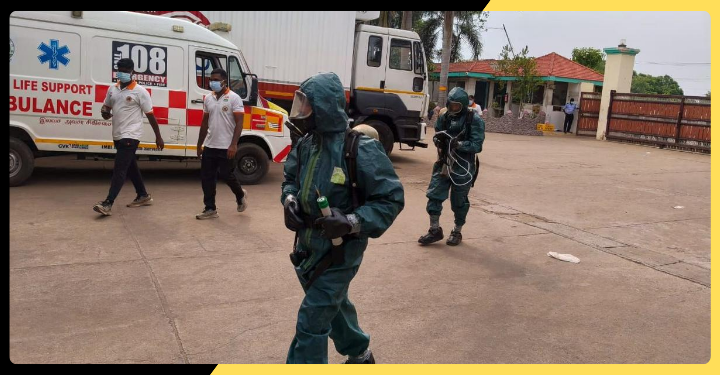
A devastating industrial accident at a seafood processing plant in Tiruvallur, Tamil Nadu, has left seven women workers dead and several others injured after a suspected toxic gas leak spread through the facility. The tragedy has once again highlighted the dangers faced by industrial workers and the urgent need for stronger workplace safety measures across the country.
The incident occurred during normal working hours when employees were carrying out routine operations inside the factory. Witnesses reported that workers suddenly began complaining of a strong, unusual smell. Within a short period, several employees experienced breathing difficulties, dizziness, and nausea. Some workers collapsed on the factory floor, creating panic among colleagues who rushed to help them.
As the situation worsened, factory management alerted emergency services. Ambulances and rescue teams arrived at the site and transported affected workers to nearby hospitals. Despite efforts by medical personnel, seven women lost their lives due to suspected exposure to toxic fumes. Several others remain under observation, with doctors monitoring their respiratory conditions and overall health.
Authorities immediately launched an investigation to determine the source of the leak and identify any lapses in safety procedures. Officials from the labor department, pollution control authorities, and local administration visited the factory to inspect equipment, storage facilities, and ventilation systems. Samples were collected for laboratory analysis to determine the exact chemical responsible for the incident.
Preliminary findings suggest that a gas leak may have originated from a section of the factory where industrial chemicals were being used or stored. However, investigators have emphasized that the final conclusions will depend on scientific testing and technical assessments. Experts are examining whether equipment malfunction, inadequate maintenance, or human error played a role in the tragedy.
The loss of seven workers has deeply affected the local community. Many of the victims were primary breadwinners who supported their families through their earnings from factory work. Relatives gathered outside hospitals and government offices seeking information about the accident and demanding accountability from those responsible.
Family members described the victims as dedicated workers who left home expecting an ordinary workday. Their sudden deaths have left families devastated, with many struggling to come to terms with the tragedy. Community leaders and local residents have expressed solidarity with the affected families and called for swift action to prevent similar incidents in the future.
The state government has announced compensation for the families of the deceased and assured the public that a comprehensive inquiry will be conducted. Officials have promised strict action if violations of labor laws or industrial safety regulations are discovered. Authorities are also reviewing the factory’s compliance records, inspection reports, and safety certifications.
Labor unions have strongly condemned the incident and demanded a thorough review of safety practices in industrial facilities. Worker representatives argue that accidents involving toxic gases are often preventable when proper safeguards are implemented. They have called for regular safety drills, improved ventilation systems, emergency response training, and stricter monitoring of hazardous substances.
Industrial safety specialists note that seafood processing facilities often use chemicals for cleaning, refrigeration, and preservation purposes. If these substances are not handled correctly, they can pose serious health risks to workers. Experts stress the importance of maintaining equipment, monitoring air quality, and ensuring that employees have access to protective gear and emergency evacuation procedures.
The tragedy has also reignited discussions about workplace conditions in labor-intensive industries. While factories provide employment opportunities for thousands of workers, critics argue that productivity targets should never take precedence over employee safety. Advocacy groups have urged companies to invest more resources in risk management and worker protection measures.
Medical professionals treating survivors have warned that exposure to toxic gases can have long-term consequences, even for those who initially appear to recover. Respiratory damage, neurological issues, and other health complications may emerge over time, making ongoing medical monitoring essential.
As investigations continue, authorities are gathering statements from workers, supervisors, and management personnel. Surveillance footage and maintenance records are also being reviewed to establish a clear timeline of events. The findings are expected to influence future policy decisions regarding industrial safety standards and enforcement mechanisms.
The Tiruvallur seafood plant tragedy stands as a painful reminder of the human cost of industrial accidents. Seven lives have been lost, families have been shattered, and a community has been left searching for answers. While compensation and investigations may offer some measure of support, the ultimate challenge lies in ensuring that workplaces become safer and that such tragedies are not repeated.
The incident serves as a call to action for governments, industries, and regulators to strengthen safety systems, improve oversight, and prioritize worker welfare. Only through sustained commitment to these goals can future accidents be prevented and workers be assured of a safe environment in which to earn their livelihoods.