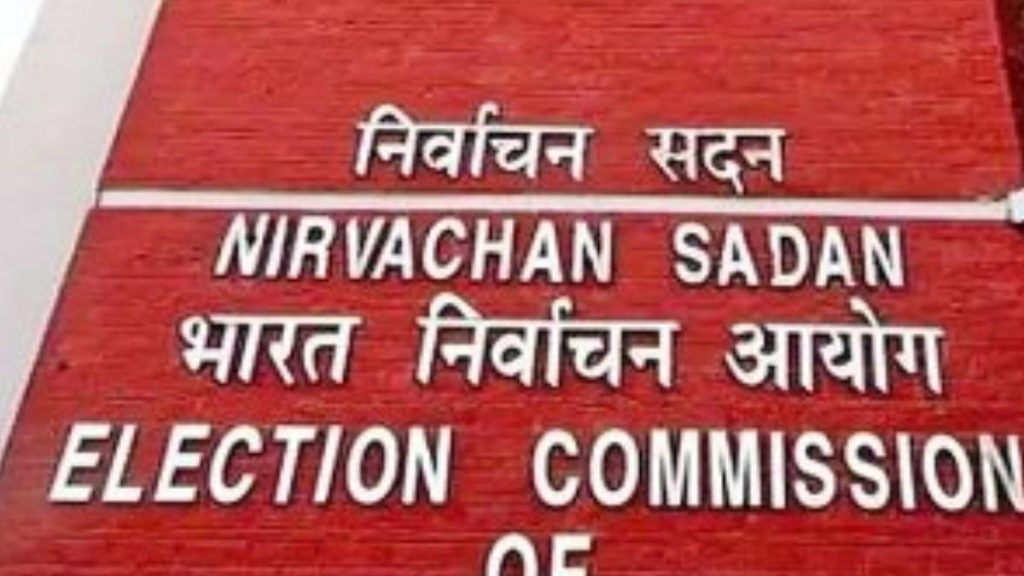
The Election Commission has officially published the draft voters list for West Bengal under the Special Intensive Revision (SIR) framework ahead of the 2026 Assembly elections. The release of the draft electoral roll marks a significant administrative step in strengthening the accuracy, transparency, and inclusiveness of the democratic process in the state.
The Special Intensive Revision is a nationwide exercise periodically undertaken by the Election Commission of India (ECI) to comprehensively verify electoral rolls. Unlike routine annual revisions, SIR involves a more detailed door-to-door verification process, cross-checking voter data, and removing discrepancies such as duplicate entries, outdated records, and names of deceased or migrated voters. For West Bengal, the SIR 2026 exercise assumes particular importance given the state’s large electorate, high population mobility, and politically competitive environment.
According to election officials, the draft voters list has been prepared after months of groundwork that included data collection by Booth Level Officers (BLOs), verification of address and identity documents, and integration of corrections received during the preliminary phase. The draft list is now available both online and at designated polling stations, electoral registration offices, and local administrative offices across the state.
The publication of the draft list opens a critical window for public scrutiny. Citizens are encouraged to check their names, personal details, and polling station information carefully. The Election Commission has emphasized that this stage is crucial to ensure no eligible voter is left out and that errors are corrected well before the final electoral roll is notified.
Voters who find discrepancies—such as incorrect spellings, wrong addresses, age errors, or missing names—can file claims and objections during the stipulated period. Similarly, objections can be raised against ineligible entries, including duplicate registrations or names of individuals who no longer reside in the constituency. Applications can be submitted both online through the official voter portal and offline using prescribed forms available at electoral offices.
Special attention has been given to first-time voters, particularly those who have recently turned 18. Educational institutions, local bodies, and civil society organizations have been roped in to encourage youth participation and ensure eligible young citizens are enrolled. The Commission has reiterated that voter inclusion is a cornerstone of democratic participation and that every eligible individual has the right to be registered.
The SIR process in West Bengal has also focused on urban and semi-urban areas, where migration often leads to inaccuracies in electoral rolls. Large cities like Kolkata, Howrah, Asansol, and Siliguri witness frequent population movement due to employment, education, and housing changes. Election officials have deployed additional manpower and digital tools to track and verify such changes more effectively.
Political parties have welcomed the release of the draft list, while also signaling that they will closely examine the rolls. Party representatives are expected to appoint booth-level agents to verify voter data and submit objections where necessary. The Election Commission has made it clear that while political parties can assist in the verification process, the final authority rests with election officials to ensure neutrality and fairness.
To enhance transparency, the Commission has introduced QR-code-enabled voter slips, improved GIS mapping of polling stations, and better integration of Aadhaar-based verification where legally permissible. Officials clarified that Aadhaar is not mandatory for voter registration, but voluntary linking helps in removing duplication and improving data accuracy.
The publication of the draft voters list also comes amid heightened public awareness about electoral integrity. In recent years, concerns about voter suppression, exclusion errors, and data mismatches have drawn national attention. The Election Commission has assured that robust grievance redressal mechanisms are in place, including toll-free helplines, mobile applications, and dedicated facilitation centers.
Once the claims and objections period concludes, all submissions will be examined by Electoral Registration Officers. Field verification may be conducted where necessary, especially in cases involving deletion or correction of entries. After due process, the final voters list will be published, forming the basis for all future elections until the next revision cycle.
With over seven crore voters expected to participate in the 2026 West Bengal Assembly elections, the accuracy of the electoral roll is fundamental to ensuring free and fair polls. The Election Commission has urged citizens to actively participate in the verification process, stressing that democracy functions best when voters take ownership of the system.
As the state moves closer to the election year, the release of the draft voters list under SIR 2026 serves as both an administrative milestone and a reminder of the shared responsibility between citizens and institutions in safeguarding democratic values.
Journalist Details