


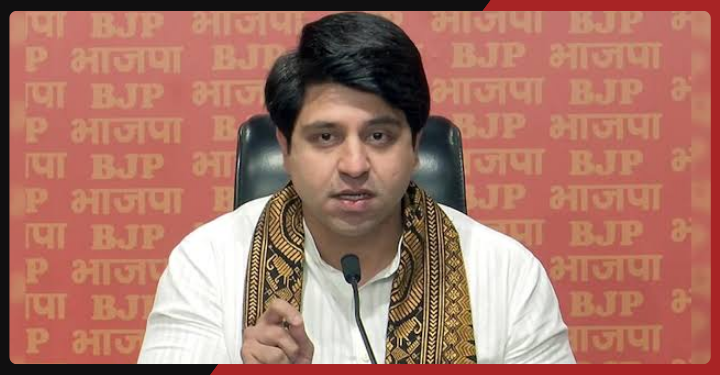
The resignation of Shehzad Poonawalla from the Bharatiya Janata Party has created considerable political interest, particularly because the BJP’s former national spokesperson has described his reasons as “pressing” financial and personal circumstances.
Poonawalla announced on August 17, 2026, that he had again submitted his resignation and requested BJP president Nitin Nabin to accept it. He wants to leave both his position as national spokesperson and his active primary membership of the party.
The development did not happen suddenly. Poonawalla had already submitted a resignation letter on July 30. However, the BJP leadership reportedly declined to accept the resignation and asked him to reconsider. Following what he described as a period of long and serious contemplation, he decided to make another request.
The latest resignation letter suggests that Poonawalla’s decision is driven primarily by personal circumstances rather than a publicly declared ideological disagreement with the BJP. He has not announced a new political party, nor has he indicated that he is joining another political organisation.
Instead, Poonawalla has said he plans to move into the private sector. His reference to financial circumstances appears directly connected to this professional decision. Reports say he described the situation as an emergency requiring him to make a significant change in his career.
At the same time, the former BJP spokesperson referred to certain individuals and recent events that he said had strengthened his resolve to leave. He did not name those individuals or publicly explain what exactly had happened. Therefore, any speculation about specific internal disputes remains unconfirmed.
One of the most notable aspects of Poonawalla’s resignation is his continued expression of support for Prime Minister Narendra Modi and the BJP’s broader vision. He has made it clear that his decision should not necessarily be interpreted as a political break with Modi.
Poonawalla thanked Modi and several senior BJP leaders, including Amit Shah, Rajnath Singh, Nitin Nabin and B L Santosh. His letter carried a tone of appreciation for the opportunities and political platform the BJP had provided him over approximately five years.
This distinction between leaving an organisation and continuing to support its political leadership is particularly important. Poonawalla has essentially presented his decision as a personal and professional transition rather than a political rebellion.
His career within the BJP had made him a familiar face in national television debates. He regularly defended the party’s positions on political controversies and criticised opposition leaders. His ability to engage in high-profile television discussions made him one of the BJP’s more recognisable spokespersons.
Before joining the BJP, Poonawalla had political links with the Congress. His criticism of the Congress leadership and its internal political processes eventually helped establish him as a prominent BJP voice. He joined the BJP in late 2021 and was subsequently entrusted with important communication responsibilities.
His exit also comes at a politically interesting moment, with reports suggesting an organisational revamp within the BJP. However, there is no evidence in the latest reports that the resignation was directly caused by an organisational reshuffle.
For now, Poonawalla’s explanation remains straightforward: pressing personal and financial circumstances have led him to seek a different professional path.
The next stage of his career could therefore take place outside active party politics, with his stated intention to enter the private sector. Whether he eventually returns to electoral politics or assumes another public role remains uncertain.
What is clear is that Poonawalla wants the BJP to formally accept his departure after his first attempt was declined. His latest resignation indicates that, despite the party’s earlier efforts to persuade him to stay, he now considers his decision final.