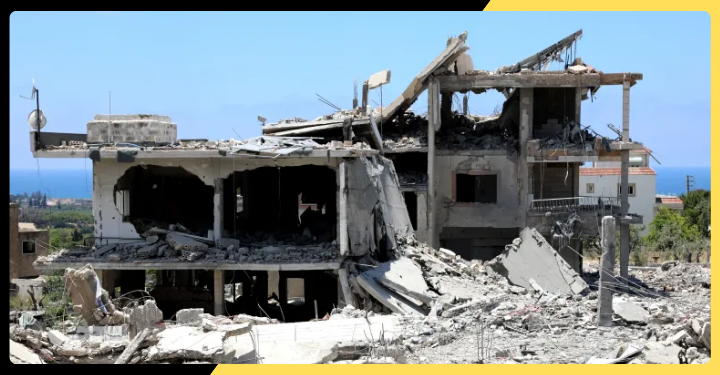
The recent Israeli airstrikes in Lebanon that reportedly killed 22 people have added a new layer of uncertainty to already delicate diplomatic efforts between the United States and Iran. As tensions rise across the Middle East, policymakers and analysts fear that the violence could derail ongoing attempts to reduce regional instability and reopen channels of communication between long-standing adversaries.
The strikes targeted locations in southern Lebanon, an area that has frequently been at the center of cross-border tensions involving Israel and armed groups operating near the frontier. Israeli authorities stated that the operation was conducted to neutralize security threats and prevent attacks against Israeli communities. Lebanese officials, however, have condemned the strikes, citing civilian casualties and warning that continued military action could push the region closer to a broader conflict.
The timing of the incident is particularly significant. For months, diplomatic representatives from Washington and Tehran have been exploring opportunities to address a range of contentious issues, including regional security concerns, military activities, and broader geopolitical disputes. While progress has been slow and often interrupted by mutual distrust, there remained cautious optimism that dialogue could continue. The latest escalation now places those efforts under considerable strain.
Historically, periods of heightened conflict in the Middle East have often complicated negotiations between the United States and Iran. Events involving Israel, Lebanon, and regional proxy groups frequently influence the political environment in which diplomatic talks take place. When violence intensifies, hardline voices on all sides tend to gain influence, making compromise more difficult and reducing the political space available for constructive engagement.
Experts note that successful diplomacy depends not only on direct negotiations but also on the broader regional climate. A stable environment encourages confidence-building measures, while military confrontations create uncertainty and suspicion. The deaths resulting from the recent strikes may reinforce narratives that emphasize confrontation rather than cooperation, potentially weakening support for diplomatic initiatives among key stakeholders.
The United States now faces a complex challenge. Washington has consistently reaffirmed its commitment to Israel’s security while simultaneously pursuing diplomatic solutions to regional disputes. Balancing these objectives becomes increasingly difficult when violence escalates. American officials may be forced to devote greater resources to crisis management, potentially shifting attention away from long-term diplomatic goals.
Iran has reacted strongly to the strikes, condemning the attacks and accusing Israel of undermining regional stability. Iranian leaders have repeatedly argued that military actions in neighboring countries contribute to insecurity and hinder diplomatic progress. Such statements are likely to resonate with domestic audiences and may strengthen calls for a more assertive regional posture. At the same time, Iranian negotiators must weigh the benefits of continued engagement against growing political pressure at home.
Lebanon, meanwhile, remains caught in the middle of broader geopolitical rivalries. The country has endured years of economic hardship, political uncertainty, and security challenges. Renewed violence threatens to worsen these conditions, particularly for communities living near conflict zones. Humanitarian organizations have expressed concern about the impact on civilians, emphasizing the need for restraint and the protection of non-combatants.
International leaders have responded with calls for de-escalation. Several governments and diplomatic organizations have urged all parties to avoid actions that could trigger a wider regional confrontation. These appeals reflect concerns that even limited clashes can rapidly expand, drawing additional actors into the conflict and increasing the risk of unintended consequences.
Looking ahead, much will depend on the decisions made in the coming days. If tensions continue to rise, diplomatic efforts between the United States and Iran may face significant setbacks. However, if regional actors choose restraint and prioritize dialogue, there may still be an opportunity to preserve ongoing negotiations.
The deadly strikes in Lebanon highlight the fragile nature of diplomacy in a region shaped by decades of conflict and mistrust. While negotiations often proceed slowly, they remain one of the few mechanisms capable of reducing tensions and preventing future crises. Whether current peace efforts survive this latest challenge remains an open question, but the stakes for regional stability could hardly be higher.
Journalist Details