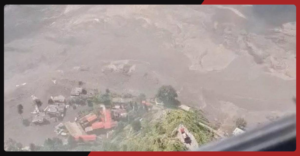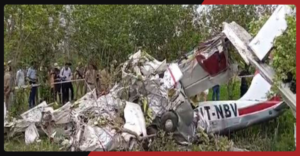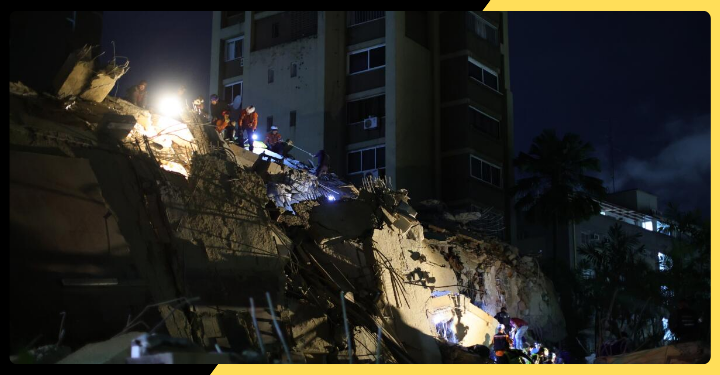
Thousands of Venezuelans are struggling to cope with the aftermath of twin earthquakes that struck the nation, leaving communities devastated and forcing many residents from their homes. The powerful seismic events caused significant structural damage, triggered landslides in some regions, and disrupted essential services including electricity, telecommunications, and transportation.
Witnesses described scenes of chaos as buildings swayed violently and debris fell onto streets crowded with frightened residents. Many families spent the night outdoors, fearing additional aftershocks. Emergency officials confirmed that at least 32 people lost their lives, while rescue teams continue searching for survivors in heavily damaged areas.
Local authorities have prioritized life-saving operations, focusing on collapsed residential buildings and public facilities. Medical teams have established temporary treatment centers to care for the injured, while emergency shelters provide refuge for displaced families. Volunteers and community organizations have played a key role in supporting affected residents.
The earthquakes have exposed vulnerabilities in aging infrastructure across several regions. Roads have been damaged, bridges inspected for safety concerns, and some communities remain difficult to access due to debris and landslides. Utility providers are working to restore electricity and water services, though officials caution that repairs could take considerable time.
International leaders have expressed solidarity with Venezuela and pledged support for recovery efforts. Humanitarian agencies are mobilizing resources, including food assistance, emergency medical kits, and temporary housing solutions. Relief organizations stress that rapid intervention will be essential to prevent secondary crises such as disease outbreaks and shortages of basic necessities.
Seismic experts note that the impact of twin earthquakes can be particularly severe because structures weakened by the first event may collapse during subsequent tremors. Authorities have urged residents to remain vigilant and prepare for possible aftershocks in the coming days.
The disaster has generated an outpouring of support both domestically and internationally. Citizens across the country are donating supplies and participating in relief campaigns aimed at helping affected families. Social media platforms have also become important tools for coordinating rescue efforts and locating missing individuals.
As recovery begins, attention is turning toward long-term reconstruction. Government officials face the difficult task of rebuilding damaged infrastructure while ensuring that future construction projects meet higher safety standards. For many communities, the road to recovery will be long and challenging, but the determination of survivors and rescuers continues to inspire hope amid tragedy.
Journalist Details