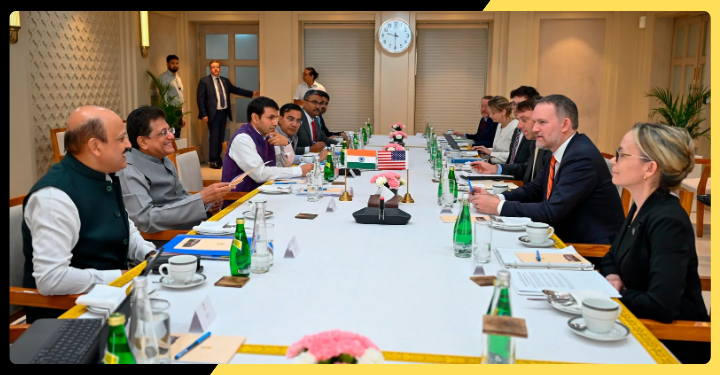
India has intensified its efforts to encourage the United States to engage in bilateral trade negotiations following Washington’s proposal to impose a 12.5% tariff on certain imported products. Indian officials have emphasized that dialogue and cooperation remain the best path to resolving trade differences while preserving the strong economic partnership between the world’s two largest democracies.
The proposed tariff has attracted attention from businesses, exporters, and policymakers, who are closely monitoring developments. India has expressed concern that additional import duties could negatively impact trade flows, disrupt supply chains, and increase costs for companies operating in both countries. Officials believe that a negotiated settlement would be more beneficial than introducing fresh trade barriers.
India and the United States have steadily expanded their commercial relationship over the years, with bilateral trade reaching new milestones. The two countries have strengthened cooperation in technology, pharmaceuticals, engineering products, agriculture, defense manufacturing, digital services, and clean energy. As economic ties continue to deepen, industry leaders say maintaining a stable and predictable trade environment has become increasingly important.
Indian trade officials have reportedly communicated that the proposed tariff could affect exporters across multiple sectors. Companies that depend on the American market for a significant share of their overseas sales may face increased challenges if higher duties are implemented. Exporters have urged both governments to work toward practical solutions that safeguard jobs, investments, and long-term business growth.
Business associations in India have welcomed the government’s decision to prioritize negotiations. They argue that open communication can help resolve differences over tariffs, market access, standards, and regulatory requirements without escalating trade tensions. Several industry groups have also called for faster progress on broader trade agreements that could reduce uncertainties for businesses.
Economic analysts believe the current situation highlights the importance of institutional dialogue between the two countries. While disagreements over tariffs are common in international trade, experts note that India and the United States have successfully addressed similar challenges through sustained diplomatic engagement in the past. This history of cooperation provides optimism that both sides can once again reach a mutually beneficial outcome.
US businesses with operations in India are also watching the negotiations closely. Many American companies have invested significantly in India’s manufacturing, technology, retail, and service sectors. They view India as one of the world’s fastest-growing major economies and an increasingly important destination for investment. Stable trade policies, they argue, are essential for encouraging further economic collaboration.
Indian exporters have pointed out that higher tariffs could make products less competitive in the US market by increasing costs for importers and consumers. At the same time, American companies sourcing goods from India may also experience higher procurement expenses. Trade experts therefore believe that maintaining open market access serves the interests of businesses on both sides.
The discussions come at a time when global trade faces multiple uncertainties, including geopolitical tensions, supply chain disruptions, and slowing economic growth in several regions. Against this backdrop, policymakers in both countries recognize the importance of avoiding unnecessary obstacles that could affect investment and commerce.
Analysts also suggest that the ongoing negotiations could pave the way for a broader bilateral trade agreement in the future. Such an agreement could address longstanding issues involving tariffs, customs procedures, digital trade, intellectual property, investment protections, and market access. A comprehensive framework would provide greater certainty for businesses while supporting stronger economic growth.
Beyond trade, India and the United States continue to strengthen cooperation in strategic sectors such as semiconductors, artificial intelligence, space exploration, renewable energy, critical minerals, and defense technology. These partnerships have reinforced the broader relationship and demonstrated the mutual benefits of closer economic engagement.
As negotiations continue, both governments are expected to remain focused on finding balanced solutions that protect national interests while supporting international trade. Businesses and investors remain hopeful that constructive discussions will lead to an agreement that strengthens bilateral economic ties instead of creating additional trade barriers. The outcome of these talks will play an important role in shaping the future of India-US commercial relations and ensuring continued growth in one of the world’s most significant strategic partnerships.
Journalist Details