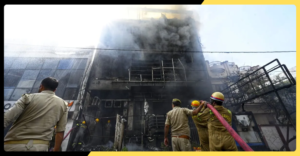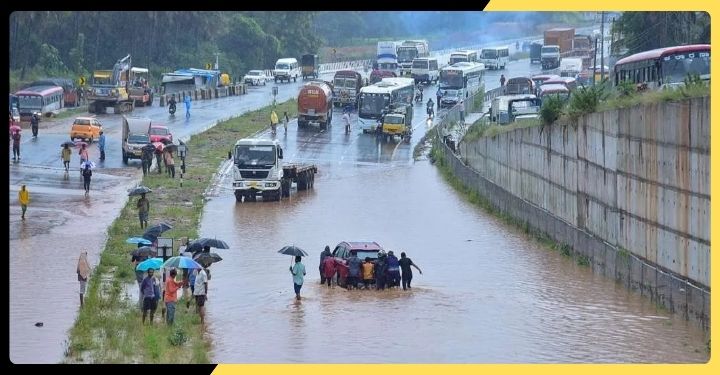
Bengaluru was left reeling after a violent storm unleashed heavy rains, hail, and strong winds, resulting in the deaths of 10 individuals and causing extensive damage across the city. The sudden weather event disrupted normal life and exposed significant gaps in urban infrastructure.
The storm’s intensity surprised many, as it developed rapidly and escalated within a short period. Residents reported loud winds, heavy downpours, and hailstones damaging property and vehicles. In several areas, trees fell onto roads and buildings, leading to injuries and fatalities.
Emergency services were mobilized swiftly, with teams working to rescue those trapped and provide medical assistance. Authorities confirmed that the victims died in separate incidents across different parts of the city, highlighting the widespread impact of the storm.
The aftermath of the storm saw Bengaluru grappling with flooded streets, traffic congestion, and power disruptions. Public transport services were affected, and many offices and schools were forced to close temporarily.
Civic officials acknowledged the challenges posed by the extreme weather and assured that steps were being taken to address the situation. Cleanup operations were launched, with workers clearing debris and restoring essential services.
The disaster has reignited debates about urban planning and climate resilience. Experts have pointed out that rapid urbanization, coupled with inadequate drainage systems, has made the city more susceptible to flooding and storm damage.
Citizens have called for better preparedness and proactive measures to handle such emergencies. Many believe that improved infrastructure and timely warnings could help minimize the impact of future storms.
As Bengaluru begins its recovery process, the focus remains on supporting affected families and rebuilding damaged infrastructure.
Journalist Details