The alleged NEET UG 2026 paper leak has placed suspected examination mafias under intense scrutiny after investigators claimed a father purchased the exam paper for his son. Officials revealed the student had earlier passed Class 12 with grace marks, adding a dramatic dimension to the case.
According to investigators, the accused father allegedly worked through middlemen connected to an organized network involved in leaking examination papers. Authorities believe the group may have operated across multiple states and targeted desperate families seeking guaranteed success.
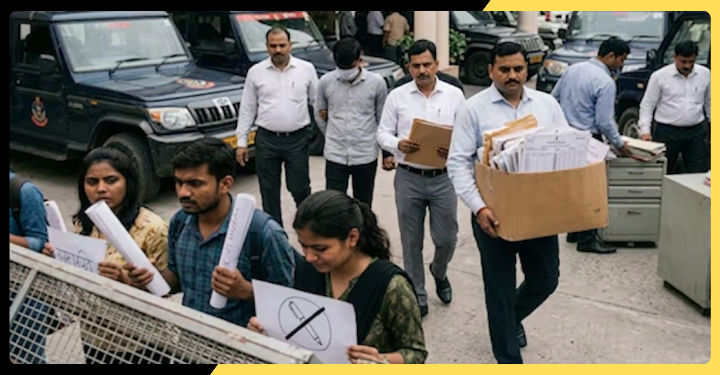
Police officials stated that digital evidence collected during raids points toward careful planning before the exam. Encrypted messaging applications, disposable phone numbers, and hidden financial transactions were allegedly used to coordinate the operation.
The student linked to the case reportedly struggled academically and barely cleared school examinations. Investigators suspect the family feared he would fail to compete against high-performing NEET aspirants through legitimate means.
The revelations have triggered widespread anger among students preparing for medical entrance examinations. Many aspirants argued that repeated paper leaks destroy confidence in the fairness of national examinations.
Education experts warn that India’s expanding coaching industry and intense competition for medical seats have created fertile ground for examination fraud. Families under pressure may become vulnerable to criminals promising guaranteed admission.
Authorities are now investigating whether officials, printing staff, or examination center employees assisted the alleged leak. Cybercrime units are also tracing online communication patterns connected to the suspects.
Student organizations have demanded stronger punishment for paper leak cases, including lifetime bans from competitive exams and stricter criminal penalties for organizers.
Meanwhile, legal experts say the accused could face multiple charges, including fraud, criminal conspiracy, and violation of examination regulations. Any student proven to have knowingly used leaked papers could also face disqualification.
Political reactions continued to grow as opposition leaders demanded accountability from examination authorities. Government representatives insisted that no guilty person would be spared and promised transparent investigations.
Experts have suggested several reforms, including AI surveillance, last-minute digital paper transmission, biometric attendance systems, and centralized monitoring centers. Many believe technology can help reduce opportunities for human interference and corruption.
The controversy has also reignited discussions about academic pressure on students. Mental health professionals argue that extreme expectations from families and society can sometimes push individuals toward unethical decisions.
As investigations progress, officials are expected to determine whether the leak affected only a limited group of candidates or compromised the examination on a larger scale. The outcome could significantly influence the future credibility of NEET and other competitive exams in India.
Journalist Details