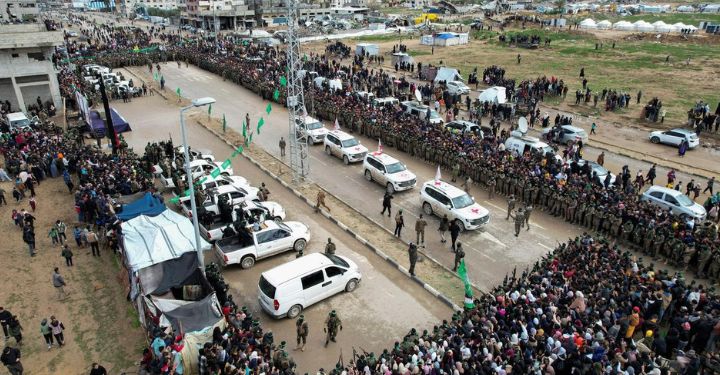
In a significant development, the militant group Hamas has released the sixth and final hostage in a recent series of exchanges, marking a pivotal moment in the ongoing negotiations between the group and other international parties. This comes after weeks of tense negotiations and the subsequent release of other hostages who had been detained under varying circumstances in Gaza.
The hostage release has been the focal point of much international attention, as it not only demonstrates the complex political dynamics at play but also shines a light on the humanitarian aspects of the situation. The hostages, all of whom had been in captivity for varying periods, were released as part of a broader ceasefire deal brokered by multiple foreign governments. This deal, though fragile, highlights the tenuous nature of peace efforts in the region and the significant diplomatic efforts behind each release.
Many of the released individuals have shared their harrowing experiences upon their return, recounting stories of brutal conditions and the mental and emotional toll of prolonged captivity. These releases have been met with relief by the families of those involved, as well as by governments worldwide that have been involved in the efforts to negotiate their freedom. The families of those who had been taken hostage have expressed a mixture of joy and profound gratitude at the successful outcome.
Yet, as one hostage after another has been freed, questions remain about the broader implications of these exchanges. Critics argue that such negotiations might only serve to embolden groups like Hamas, giving them leverage in future talks, while others view the release of hostages as a necessary step in reducing tensions. The hostages’ releases were not without their critics, with some saying that this may be a double-edged sword, offering Hamas potential political advantages at the negotiating table.
The ceasefire, however, has proven fragile, with tensions still high in the region. Whether this release marks a turning point or merely a temporary pause in the ongoing conflict remains to be seen. In the meantime, families and loved ones are left to pick up the pieces of lives interrupted, while world leaders continue to push for more sustainable solutions.
Journalist Details