India and Nepal have taken a significant step towards strengthening their educational partnership, with Prime Minister Narendra Modi announcing an offshore Indian Institute of Technology campus in Nepal and expanded scholarship opportunities for Nepalese students.
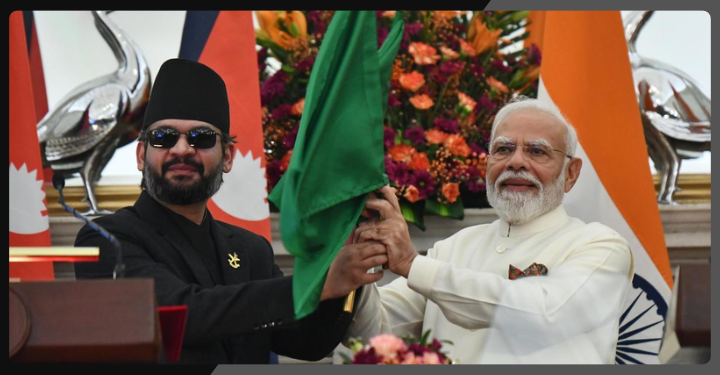
The announcement was made during Nepalese Prime Minister Balendra Shah’s two-day state visit to India from November 22 to 23, 2026. The two leaders held detailed discussions in New Delhi covering several important areas of bilateral cooperation, including education, technology, economic development and regional connectivity.
Education emerged as one of the major priorities during the discussions, reflecting the importance both countries attach to developing skilled human resources and creating opportunities for younger generations.
Prime Minister Modi said Nepal’s youth possess considerable talent, energy and ambition. He reaffirmed India’s commitment to supporting Nepal in achieving its development goals through educational partnerships and technological cooperation.
One of the most important announcements was India’s decision to establish an offshore IIT campus in Nepal. The proposed institution is expected to provide access to advanced technical education and research opportunities without requiring all interested students to travel abroad.
The initiative could create new opportunities in engineering, science, technology and other specialised disciplines. It may also encourage collaboration between Indian and Nepalese universities, researchers and academic professionals.
In addition to the proposed campus, India will expand scholarship opportunities for Nepalese students in law and technology. These additional opportunities are expected to help students pursue higher education and acquire professional skills that can contribute to Nepal’s economic and institutional development.
The two countries also recognise that education cooperation must extend beyond traditional university programmes. Modern economies increasingly require expertise in artificial intelligence, digital technologies, entrepreneurship and specialised professional training.
The joint vision adopted by the two countries reflects this broader approach. It proposes expanding scholarships and training opportunities in emerging disciplines, including artificial intelligence, while encouraging faculty exchanges and stronger cooperation between academic institutions.
Another important part of the announcement involves the establishment of a startup incubator and innovation hub in Nepal. These facilities are expected to help students, researchers and aspiring entrepreneurs develop innovative ideas, access mentorship and connect with investment opportunities.
India and Nepal already have experience working together in the startup sector. The India-Nepal Startup Partnership Network, launched in 2025, has supported Nepalese startups through training, mentorship and institutional connections.
An earlier programme involved 24 Nepalese startups selected from approximately 250 applications. Participants received training and mentoring opportunities, while nine startups secured incubation and investment offers through IIT Madras-related institutions.
The new initiatives are expected to expand such opportunities and strengthen the connection between education, research and entrepreneurship.
However, several details regarding the IIT campus remain pending. The Indian government has not yet identified the IIT responsible for establishing the campus or announced its location, courses and opening schedule.
The announcement forms part of a much wider effort to deepen India-Nepal relations. During the visit, the two governments also signed eight memorandums of understanding covering academic research, policing, administration, traditional medicine, space technology, healthcare, urban development and livestock cooperation.
The agreements demonstrate that both countries are interested in building a partnership that extends beyond diplomatic engagement.
For Nepal, stronger access to technical education and professional training could support long-term economic growth. For India, educational cooperation offers an opportunity to strengthen regional partnerships and expand the international reach of its academic institutions.
The IIT announcement has therefore become one of the most important highlights of Prime Minister Balendra Shah’s India visit, with both countries looking towards greater cooperation in education and innovation.
Journalist Details