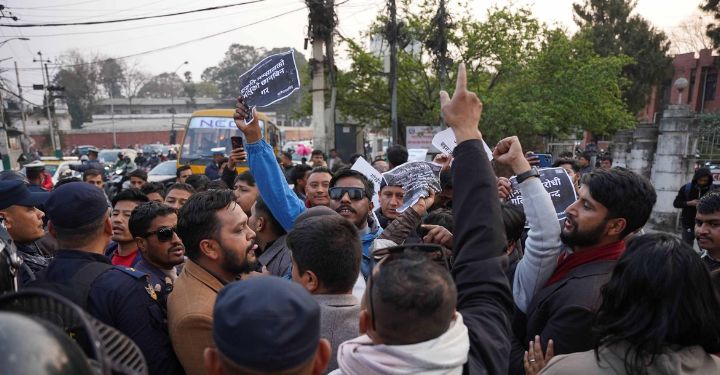
In a shocking development, 159 Nepali students who were enrolled at the Kalinga Institute of Industrial Technology (KIIT) in Bhubaneswar, Odisha, have returned to Nepal, accusing the university of mistreating them. The students allege that they were subjected to harsh conditions, leaving them with no choice but to abandon their education and return to their homeland.
The students, who were enrolled in various undergraduate and postgraduate courses, claim that their living conditions on the KIIT campus were far from adequate. Reports suggest that the students were housed in overcrowded dormitories, which lacked basic amenities like clean water, functioning toilets, and proper ventilation. Additionally, many of the students have spoken about their struggles to cope with the pressure of maintaining high academic standards without adequate support from faculty members.
Students also reported instances where they were not allowed to communicate with their families back home, which further compounded their feelings of isolation. In several cases, students claimed that they were not given any opportunity to voice their concerns regarding their treatment and that any attempts to discuss the matter with university officials were met with indifference or hostility.
The Nepalese government has since become involved in the situation, sending officials to India to investigate the claims. The Nepalese embassy in New Delhi has expressed its disappointment over the matter, urging the Indian government and the university to address the grievances of the students. Diplomatic sources have said that they are looking into the possibility of taking legal action if the allegations are found to be true.
On the other hand, the KIIT administration has vigorously defended its practices. In a statement issued to the media, the university clarified that it had always maintained a high standard of education and had offered adequate facilities to its students. The university assured that it would take the necessary steps to investigate any complaints thoroughly and would take action if any mismanagement or mistreatment was proven.
However, the returning students have called for accountability from the university and have urged both the Indian and Nepalese governments to take strong action to ensure that no other international students have to face similar conditions in the future. As the controversy continues to unfold, it remains to be seen how this incident will affect the reputation of KIIT, an institution that has long been regarded as one of India’s leading private universities.
Journalist Details