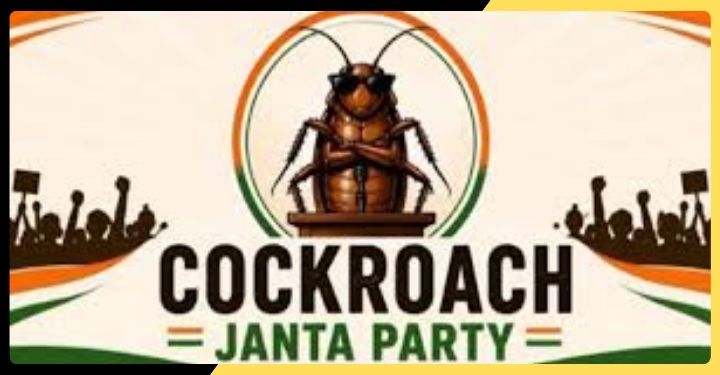
India’s online political culture witnessed a dramatic shift after the viral “Cockroach Janta Party” surpassed the BJP’s Instagram followers and captured nationwide attention.
The satirical movement emerged after controversial remarks comparing unemployed youth to cockroaches ignited outrage on social media. Instead of rejecting the insult, young Indians turned it into a symbol of resilience and protest.
The campaign exploded through Instagram reels, parody posters, and humorous political promises. Millions engaged with the content, helping the page grow faster than many established political organisations online.
For supporters, the movement represents frustration with unemployment, rising living costs, and exam controversies. Many young users said the campaign reflected their feelings better than traditional political speeches.
Analysts believe the movement demonstrates how meme culture is transforming politics in India. Humour, sarcasm, and viral trends now play a major role in shaping political conversations among younger audiences.
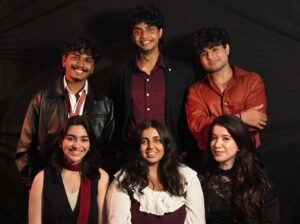
The campaign’s founder reportedly described the movement as a digital expression of ignored voices. Users quickly embraced the cockroach symbol, joking that “survival skills” mattered more than political promises.
The controversy intensified after reports that the group’s X account had been restricted in India. The development triggered debates around online censorship and freedom of expression.
Despite criticism, the movement continued to grow because of its relatability. Students and job seekers connected with its satirical take on economic struggles and social pressure.
Experts say the rise of such campaigns reflects changing political behaviour among Gen Z voters. Many young Indians prefer internet-based activism and humour-driven content over traditional forms of political participation.
The Cockroach Janta Party may never become a real political organisation, but it has already succeeded in creating a cultural moment. Its popularity shows that in modern India, memes are no longer just entertainment — they are tools of protest and political identity.
Journalist Details