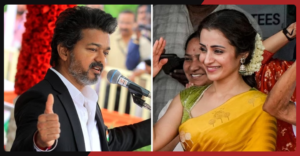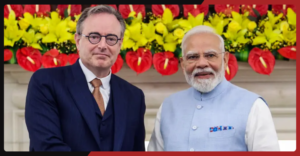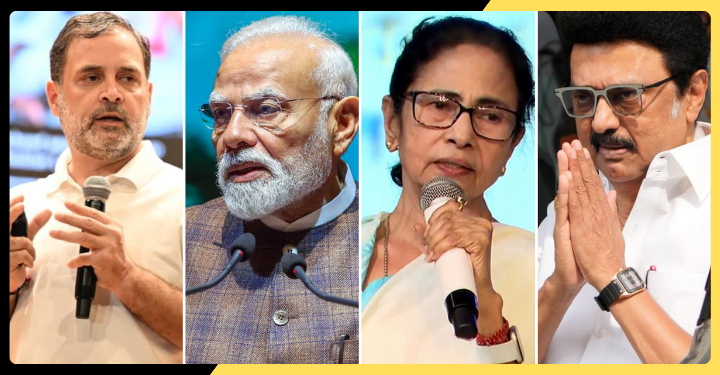
The 2026 Assembly election results have produced a politically charged atmosphere across India, with national parties battling intensely while regional forces successfully defended their influence in several states. The elections are being seen as a crucial indicator of voter sentiment ahead of future national contests and a reflection of India’s increasingly complex political landscape.
The BJP approached the elections determined to expand its dominance across states by emphasizing development, governance, and welfare delivery. Senior party leaders campaigned aggressively, focusing on infrastructure projects, economic reforms, and social welfare initiatives. The BJP’s messaging consistently highlighted stability, national pride, and strong leadership.
The Congress, on the other hand, attempted to capitalize on public concerns surrounding unemployment, inflation, and rural distress. The party projected the elections as an opportunity to restore democratic balance and strengthen regional governance structures. Congress leaders worked to energize party workers and reconnect with grassroots voters after years of organizational challenges.
Despite the intense national-level battle, regional parties once again demonstrated their political resilience. In many states, voters appeared more responsive to leaders who focused on local issues, cultural identity, and regional development priorities. State-based parties framed themselves as defenders of regional interests and federal autonomy.
One of the most striking aspects of the elections was the central role played by welfare schemes. Political parties competed aggressively through promises related to subsidies, direct cash transfers, healthcare support, education benefits, and employment initiatives. These welfare-driven campaigns significantly shaped voter perceptions, especially among economically weaker sections.
The elections also highlighted the importance of local leadership credibility. Candidates with strong constituency connections and visible development records often performed better than those relying purely on party reputation. Political analysts noted that voters increasingly expect accountability and tangible governance outcomes at the state level.
Social media and digital outreach became major campaign tools throughout the elections. Parties used online platforms for live interactions, targeted messaging, and rapid response strategies. Digital campaigning proved particularly effective in reaching younger voters and first-time participants in the electoral process.
Another important factor was the role of women voters. Political parties introduced targeted schemes involving financial assistance, healthcare access, subsidized utilities, and women’s empowerment programs. Experts believe women’s participation significantly influenced voting patterns in several constituencies.
The elections also reflected growing political fragmentation in certain regions. While alliances strengthened opposition unity in some states, multi-cornered contests elsewhere benefited dominant parties by splitting votes. The outcomes are likely to intensify discussions regarding coalition politics and opposition coordination in the coming years.
For the BJP, the elections represented an opportunity to consolidate political authority beyond parliamentary dominance. Strong performances would reinforce the party’s organizational strength and governance narrative. For the Congress, positive results could help rebuild morale and revive its role as a serious national challenger.
Regional parties, meanwhile, have emerged with renewed relevance. Their ability to retain influence despite the aggressive campaigns of national parties highlights the enduring strength of India’s federal political system. In many states, voters signaled that local aspirations and regional identity remain powerful electoral factors.
As political leaders analyze victories and setbacks, the 2026 Assembly elections are already being viewed as a turning point in India’s political journey. The results have not only reshaped state politics but also set the tone for future national debates on governance, alliances, leadership, and democracy itself.
Journalist Details