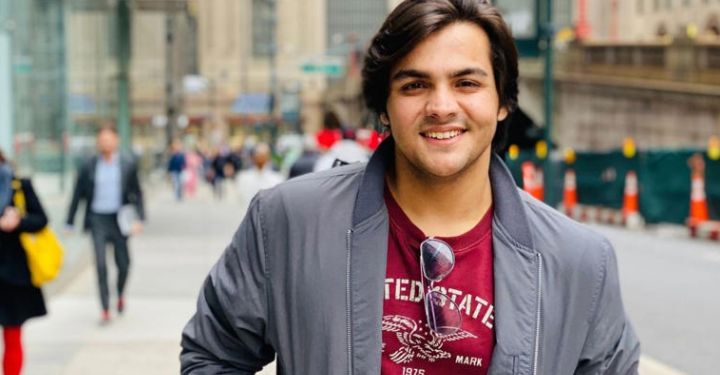
Ashish Chanchlani, the popular YouTuber known for his comedy sketches and engaging content, recently approached the Supreme Court with a plea challenging multiple First Information Reports (FIRs) lodged against him by different states. These FIRs accuse Chanchlani of obscenity and inappropriate content, creating a significant legal dilemma. In response to his appeal, the Supreme Court issued a notice, directing authorities to provide their responses to the concerns raised by Chanchlani.
The controversy centers around certain videos posted by Chanchlani on his YouTube channel, which some viewers and individuals have deemed offensive. The nature of the allegations is primarily related to perceived vulgarity, inappropriate language, and suggestive themes, which critics claim violate public decency standards. As a result, multiple FIRs have been filed against Chanchlani, accusing him of spreading obscenity.
The legal battle has sparked a nationwide debate over the balance between freedom of expression and the limitations on content deemed inappropriate. Chanchlani, along with his legal team, argues that the charges against him are a violation of his fundamental right to free speech, enshrined under Article 19(1)(a) of the Indian Constitution. He contends that his content falls within the realm of comedy and satire, and as such, should not be subject to such legal scrutiny.
The Supreme Court’s decision to issue a notice is significant as it signals the importance of addressing the tension between creators’ rights and societal norms. Chanchlani’s legal representatives are hopeful that the apex court will recognize the freedom of expression granted to content creators, particularly those involved in digital platforms like YouTube.
This case has broader implications for the entertainment industry in India, especially as digital content creators become more influential in shaping public opinion and cultural trends. The outcome could set a precedent for future legal challenges regarding the boundaries of free speech in the digital age.
As the case progresses, many are closely watching whether the Supreme Court will uphold the principles of freedom of expression or succumb to the pressures of public opinion that call for greater regulation of online content.
Journalist Details