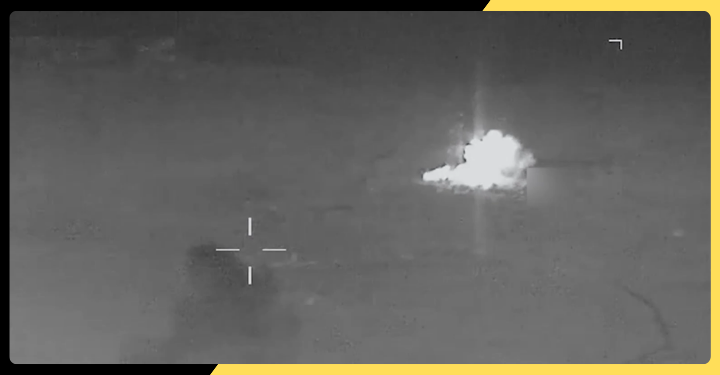
Security concerns across the Gulf region have intensified following recent U.S. military strikes on Iranian military-linked targets, prompting Bahrain and Kuwait to strengthen defensive measures as fears grow over possible retaliation. The two Gulf nations, both close allies of the United States and home to significant American military facilities, have increased security around strategic locations while assuring residents that authorities are fully prepared to respond to any emergency.
The U.S. operation, described by American officials as a precision strike against facilities connected to Iran’s military capabilities, has drawn strong condemnation from Tehran. Iranian leaders accused Washington of escalating tensions and warned that any attack on the country’s interests would receive an appropriate response. Although Iran has not officially announced any military action against Bahrain or Kuwait, analysts believe nations hosting U.S. forces could face elevated security risks if the conflict expands.
In Bahrain, security agencies have enhanced surveillance around military bases, government institutions, airports, ports, and energy infrastructure. Additional police patrols have been deployed in major cities, while emergency response teams have been placed on standby. Officials stressed that these measures are precautionary and urged the public to continue daily activities without fear while remaining alert to official announcements.
Kuwait has also moved quickly to strengthen its national security posture. Authorities have reviewed contingency plans, increased coordination between military and civil defense agencies, and reinforced security around critical facilities. Government spokespersons emphasized that there is no immediate indication of an attack but noted that preparedness is essential during periods of heightened regional tension.
The Gulf region has long been one of the world’s most strategically important areas due to its vast energy resources and military significance. Bahrain hosts the headquarters of the U.S. Navy’s Fifth Fleet, which plays a central role in protecting maritime security across the Gulf. Kuwait serves as a major logistics center for American military operations and has maintained close defense cooperation with Washington for decades.
Security analysts point out that any escalation involving these countries could have consequences extending far beyond the region. A military confrontation affecting Gulf states would likely influence global oil markets, international shipping, and diplomatic relations among major world powers.
Oil traders have already reacted cautiously to the growing tensions. Prices experienced upward pressure as markets evaluated the possibility of disruptions to production or shipping routes. Particular attention remains focused on the Strait of Hormuz, a narrow waterway through which approximately one-fifth of the world’s oil supply is transported. Any interruption to shipping through the strait could trigger higher fuel prices and affect economies worldwide.
International diplomatic efforts have intensified alongside the military preparations. The United Nations has called on all parties to avoid actions that could further destabilize the region. Several European governments have expressed concern over the rising tensions and urged renewed diplomatic engagement to prevent additional violence. Regional leaders have likewise appealed for restraint, emphasizing that dialogue remains the most effective path toward reducing the risk of conflict.
Defense experts note that Bahrain and Kuwait have invested significantly in advanced air-defense systems over recent years. Modern radar technology, missile interception systems, and intelligence-sharing arrangements with allied nations provide multiple layers of protection against potential threats. However, experts caution that evolving warfare now includes drones, cyberattacks, and precision-guided missiles, requiring constant adaptation of defense strategies.
Residents in both countries have responded calmly despite widespread media coverage of the regional situation. Schools, businesses, shopping centers, and public transportation continue operating normally. Government agencies have encouraged citizens and expatriates to verify information through official sources and avoid circulating rumors on social media, which can create unnecessary panic during times of uncertainty.
Economic experts are also monitoring the situation closely. Beyond energy markets, prolonged instability could affect tourism, aviation, investment, and international trade throughout the Gulf Cooperation Council (GCC) region. Airlines have reviewed flight routes over certain areas, while shipping companies continue to assess maritime security conditions.
Political analysts believe the next phase of the crisis will largely depend on diplomatic developments between Washington and Tehran. While military preparedness remains high, many observers argue that both sides have strong incentives to avoid a full-scale regional conflict due to the enormous economic and humanitarian consequences such a war would bring.
Bahrain and Kuwait continue to emphasize their commitment to regional peace and stability while maintaining close cooperation with international security partners. Officials have reiterated that their primary objective is safeguarding national security without contributing to further escalation.
As uncertainty continues, governments across the Gulf remain focused on balancing vigilance with stability. Increased security measures, coordinated intelligence efforts, and ongoing diplomatic engagement will likely shape the region’s response in the coming days. The international community will be watching closely as leaders seek ways to prevent the current tensions from developing into a broader conflict that could affect the entire Middle East and the global economy.
Journalist Details