Thailand is once again confronting difficult questions about gun violence after a devastating school shooting in Bang Kruai district, Nonthaburi province, left at least eight people dead and several others injured. The tragedy unfolded on Friday morning when a 14-year-old student allegedly killed his grandparents before opening fire at Debsirin Nonthaburi School. The incident has shocked the nation, sparked widespread mourning, and renewed calls for stronger firearm safety measures and improved mental health support for young people. Authorities are continuing their investigation to determine what led to the deadly attack and whether any warning signs were missed.
According to Thai police, the sequence of events began at the home of the suspect’s grandparents. Investigators believe the teenager used a handgun owned by his grandfather to fatally shoot both grandparents before leaving the residence. Officials said the firearm had been legally owned, but investigators are examining how the teenager gained access to it and whether it had been stored securely.
After leaving the house, the suspect traveled to Debsirin Nonthaburi School, where he was studying in Grade 9. School officials said classes had just begun when the first gunshots were heard. Initially, many students and teachers thought the sounds were fireworks or construction work. Within moments, however, it became clear that an armed student was moving through the campus, causing panic among hundreds of students and staff.
Teachers immediately implemented emergency safety procedures. Classroom doors were locked, lights were switched off, and students were instructed to remain silent while hiding under desks or behind furniture. Some teachers escorted students through emergency exits, while others stayed behind to ensure every child remained safe until police officers arrived.
Witnesses described terrifying scenes as students ran through hallways searching for safety. Some hid in bathrooms and storage rooms, while others climbed out of classroom windows to escape. Parents rushed to the school after receiving emergency notifications, anxiously waiting outside the campus as authorities worked to secure the area.
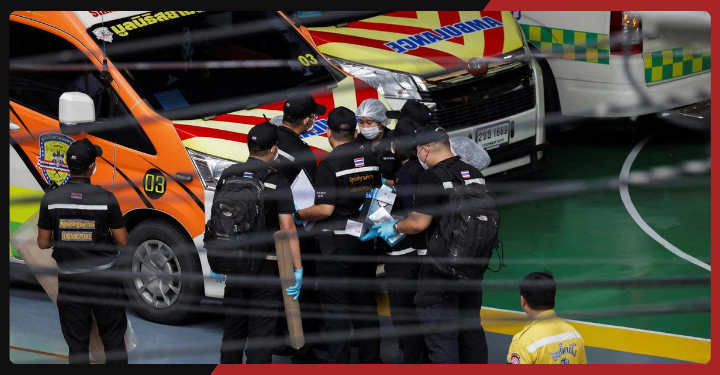
Police and emergency medical teams arrived within minutes of receiving the first distress calls. Armed officers entered the school building while paramedics treated injured victims. Ambulances transported students and teachers to nearby hospitals, where emergency departments activated crisis response plans. Doctors later confirmed that several injured victims remained in serious condition and required emergency surgery.
Authorities later found the suspect with a self-inflicted gunshot wound. Despite efforts by emergency responders to save him, he later died from his injuries. Police recovered the handgun believed to have been used in both the killings at the grandparents’ home and the school shooting. Investigators also discovered additional ammunition, indicating that the attack could have caused even greater devastation.
As investigators continue collecting evidence, the motive behind the shooting remains unclear. Police are examining the suspect’s family background, academic records, personal writings, mobile phone, and social media accounts. Interviews with classmates, teachers, relatives, and neighbors are also underway to determine whether the teenager had shown signs of emotional distress, behavioral changes, or other warning indicators before the attack.
The tragedy has reignited national discussions about firearm ownership in Thailand. Although the country has licensing requirements for legal gun ownership, experts argue that stricter enforcement of safe storage laws is necessary to prevent children and teenagers from accessing firearms kept in homes. Gun safety organizations have called for mandatory secure storage regulations and greater public awareness campaigns.
Mental health professionals have also emphasized the need for stronger emotional support systems for young people. Child psychologists believe schools should have more counselors, better mental health screening programs, and stronger partnerships with families to identify students who may be struggling emotionally. Education experts say early intervention could help prevent future acts of violence.
Thailand’s Prime Minister expressed profound sorrow over the incident and offered condolences to the families of those who lost their lives. Government officials praised the bravery of teachers, police officers, and emergency responders who acted quickly to protect students during the attack. Authorities also announced that school security measures across the country would be reviewed, with additional training planned for teachers and school administrators on responding to emergency situations.
Across Thailand, communities have gathered for prayer services, candlelight vigils, and memorial ceremonies to honor the victims. Flowers, candles, and handwritten messages have been placed outside the school, reflecting the grief felt nationwide. Survivors, students, teachers, and families are receiving counseling from mental health professionals as they begin the long process of recovery.
While investigators continue working to establish the full circumstances behind the shooting, the tragedy has already prompted an important national conversation. It has highlighted the urgent need for responsible firearm storage, accessible mental health care, effective school safety measures, and stronger community support systems. For many in Thailand, the hope is that meaningful reforms will emerge from this heartbreaking event, helping to prevent future tragedies and ensuring that schools remain safe places where children can learn without fear.
Journalist Details