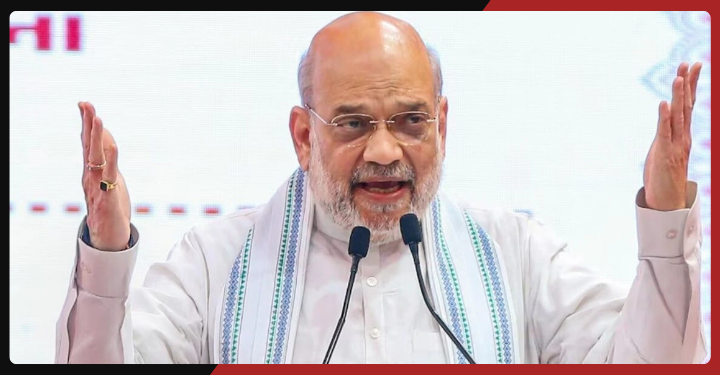
The political confrontation over the Delhi student protests has moved into Parliament, with the Centre offering to let Home Minister Amit Shah make a statement on the police action. The proposal, however, comes with a clear condition: Opposition parties must stop disrupting proceedings and allow the House to function.
The offer was announced by Parliamentary Affairs Minister Kiren Rijiju as the government attempted to find a way out of the continuing deadlock in Parliament. The Opposition has been demanding an explanation from Shah over the events surrounding the July 20 protest march in Delhi.
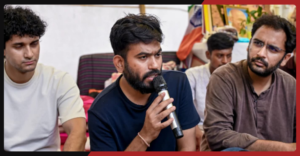
The controversy stems from a large mobilisation of students and protesters who attempted to march towards Parliament. Security forces intervened after the protesters were stopped, with tear gas and other crowd-control measures being used. The police action subsequently became a major political issue, particularly after videos circulated showing personnel using batons against demonstrators.
Opposition parties have questioned whether excessive force was used. Congress leader Rahul Gandhi has directly written to Amit Shah seeking accountability over the action. He argued that the protesters had been demonstrating for a fair and accountable education system and questioned the use of force against them.
The government has taken a different position. It has rejected allegations that ministers personally instructed police personnel to use force against protesters. The Centre has maintained that law-and-order decisions were taken at the administrative level.
The issue has nevertheless continued to dominate political debate because Delhi Police reports to the Union Home Ministry. Opposition leaders have therefore argued that the Home Minister must explain the chain of responsibility and answer questions surrounding the deployment and conduct of security forces.
The controversy became even more heated after videos involving alleged statements by Delhi Police officials circulated on social media. One viral video claimed that police had received direct instructions from Amit Shah to end the protest at any cost. Fact-checkers later determined that the footage had been manipulated and that the original video did not contain such a statement.
The Centre’s latest offer could therefore serve two purposes. First, it could give Amit Shah an opportunity to respond directly to the allegations in Parliament. Second, it could help the government shift the confrontation from protests inside the House to a formal parliamentary discussion.
But the Opposition has shown little willingness to accept the government’s proposal without raising its broader demands. Opposition parties have called for accountability and, in some cases, sought an apology from Prime Minister Narendra Modi over what they describe as brutality against students.
The disagreement has resulted in repeated disruptions. Lok Sabha Speaker Om Birla has also appealed to Opposition parties to end their protests and allow parliamentary business to continue.
The situation now places both sides in a difficult position. The government wants the Home Minister to speak while insisting on parliamentary order. The Opposition wants answers and accountability before allowing normal proceedings.
Amit Shah’s statement, if it takes place, could become one of the most closely watched moments of the Monsoon Session. It would give the government an opportunity to explain its position and could also provide Opposition MPs with a formal parliamentary response to their allegations.
For now, however, the central question remains whether the condition attached to the offer can be accepted. Until that happens, the dispute over the Delhi crackdown is likely to continue affecting Parliament’s functioning.
Journalist Details