In a groundbreaking move aimed at resolving one of the longest-standing issues in Manipur, the Indian government has issued new directives to ensure seamless movement within the state. Starting next week, the Centre’s initiative will lift restrictions and enhance transportation across key routes that have been plagued by blockades, curfews, and ethnic tensions for years. These fresh directives represent a concerted effort to address the underlying causes of unrest, restore essential supply chains, and promote socio-economic development in the state. For the people of Manipur, the implementation of these measures is expected to offer a newfound sense of freedom, stability, and opportunity.
Manipur, located in the northeastern part of India, has long been a region fraught with socio-political challenges. Frequent disruptions to transportation routes due to protests, insurgencies, and local conflicts have resulted in economic setbacks and a diminished quality of life for residents. With this new directive, the Indian government aims to not only ease the physical movement of goods and people but also pave the way for a lasting peace that fosters growth and cooperation among all communities in the region.
The Long-Standing Issue of Movement Restrictions in Manipur: Manipur’s complex social and political landscape has often resulted in restrictions on movement, affecting everything from basic commuting to the transportation of goods and services. Historically, blockades have been enforced by various insurgent groups and ethnic communities as a means of exerting political influence. These blockades, along with periodic curfews and violent protests, have severely hindered economic activities in the state.
Key national highways, including the crucial National Highway 2, which connects Manipur to the rest of India, have been the focal points of such disruptions. Goods like food, fuel, medical supplies, and construction materials have often faced delays, leading to increased prices and scarcity in some areas. Businesses, particularly those relying on interstate trade, have faced uncertainty and loss of revenue. Additionally, the state’s tourism industry, which could have been a major contributor to the local economy, has also suffered due to concerns about accessibility and safety.
In this context, the Centre’s new directives mark a major shift in how the Indian government plans to address these long-standing issues. The goal is to ensure that the people of Manipur no longer have to live with the constant threat of transportation disruptions and that businesses can operate without fear of arbitrary blockades or obstructions.
Key Aspects of the Fresh Directives:
1. Enhanced Security and Law Enforcement:
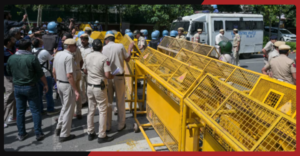
A central component of the new directive involves the strengthening of security measures across the state, particularly along major transportation routes. In recent years, insurgent groups and other factions have frequently imposed blockades in response to political demands, often disrupting the movement of goods and people. To prevent such occurrences, the government will be deploying additional security forces, working in close coordination with local authorities.
These security measures will be proactive, with a focus on both preventing blockades and ensuring the safety of travelers and businesses operating in sensitive areas. Additionally, there will be enhanced monitoring of key roads, especially those that are prone to disruptions, such as National Highway 2 and National Highway 37. The goal is to provide a secure environment for businesses and residents while maintaining law and order.
2. Rehabilitation and Maintenance of Infrastructure:
A significant aspect of the new directive is the rehabilitation of damaged infrastructure, which has been a bottleneck for free movement in Manipur. Roads and bridges in the state have long been in disrepair, often exacerbating the challenges of transportation. The Indian government has promised to fast-track the repair and upgrade of critical infrastructure to ensure smooth and uninterrupted travel.
National Highway 2, which is vital for connecting Manipur to the rest of India, will be given special attention. Similarly, railway lines that connect the state to neighboring regions will be restored and upgraded to facilitate better transport of goods and people. The rehabilitation plan will also include the construction of new roads in areas that are currently underserved by transportation networks.
With improved infrastructure, the people of Manipur will no longer face the daily frustrations of poorly maintained roads or the fear of getting stranded due to infrastructure failures. This is expected to boost trade, tourism, and overall connectivity within the state and with neighboring regions.
3. Facilitating the Movement of Goods and Services:
A primary goal of the government’s fresh directives is to ensure the smooth and unrestricted flow of essential goods and services across the state. The Centre has recognized that the continued disruptions to transportation have affected the supply of critical commodities, including food, medicine, fuel, and raw materials for local businesses. With the implementation of these directives, businesses will be able to access supplies more easily, and consumers will benefit from a steady flow of goods.
The policy will prioritize the free movement of goods related to agriculture, healthcare, and infrastructure development. Farmers, for example, will no longer have to face the challenges of transporting their produce to markets due to blockades or road closures. Similarly, medical supplies and emergency services will be able to reach all parts of the state without delay, ensuring that the health needs of residents are adequately met.
In addition to easing the movement of essential goods, the new measures are expected to lower the cost of living in the state by improving the efficiency of supply chains. With fewer roadblocks, transportation costs will decrease, leading to a reduction in the price of goods for consumers.
4. Engagement with Local Communities:
A key aspect of the success of the new directives will be the active engagement of local communities and stakeholders. Manipur is home to a diverse set of ethnic communities, and the government has emphasized the importance of working with all groups to ensure that their needs and concerns are addressed. This includes dialogue with tribal leaders, ethnic groups, and insurgent factions that have historically contributed to disruptions in the state’s transport networks.
The Centre plans to include local leaders in the decision-making process, ensuring that the directives are implemented in a way that reflects the unique cultural and social dynamics of Manipur. By fostering a collaborative approach, the government hopes to gain the trust and support of all communities, leading to greater social cohesion and long-term peace.
5. Promotion of Economic Development:
The lifting of restrictions and the improvement of transportation infrastructure are expected to have a positive impact on the state’s economy. Manipur has a largely agrarian economy, and its industries—such as agriculture, handicrafts, and textiles—have long suffered due to logistical challenges. With the easing of transportation bottlenecks, businesses will be able to grow and expand their operations, while local residents will gain access to better job opportunities.
In addition, the tourism sector, which has untapped potential, is expected to see a revival. Manipur, with its rich culture, natural beauty, and historical sites, is an attractive destination for both domestic and international tourists. By ensuring seamless movement, the government hopes to unlock the state’s potential as a key player in India’s tourism industry.
Challenges and Concerns: While the directives are a welcome step, several challenges remain. One of the primary concerns is the security situation, particularly in sensitive regions where insurgent activities are prevalent. Ensuring the safe and uninterrupted movement of goods and people will require sustained efforts from both central and state security agencies.
Another challenge is the potential resistance from local groups that may feel excluded or negatively affected by the new directives. To overcome this, the government will need to ensure that all stakeholders are included in the conversation and that their concerns are adequately addressed.
Conclusion: India’s government has taken an important step towards resolving the long-standing issue of restricted movement in Manipur by issuing fresh directives to ensure the seamless movement of goods and people. With enhanced security, improved infrastructure, and a focus on promoting economic development, the new measures are set to bring much-needed relief to the people of Manipur. By addressing the core issues that have plagued the state for years, the government is not only aiming to resolve logistical challenges but also fostering an environment of peace and cooperation that could lead to long-term prosperity for the region.
The successful implementation of these directives will depend on continued dialogue between the government and local communities, as well as the effective coordination of resources and security measures. If these challenges are met, Manipur’s future will be marked by greater stability, improved economic conditions, and a brighter outlook for its residents.
Journalist Details