In a move that caught Maharashtra’s political circles by surprise, the Nationalist Congress Party (Sharad Pawar faction) has dissolved its entire panel of official spokespersons, marking one of the most significant organizational changes within the party in recent months. The late-night announcement has triggered widespread speculation about the leadership’s strategy as it seeks to strengthen its political positioning and streamline communication.
The decision, announced through an official party statement, revoked the appointments of all spokespersons with immediate effect. While no individual leader was named or blamed, the move effectively leaves the party without an official media panel until a new team is constituted.
Political observers believe the decision reflects the leadership’s determination to tighten control over the party’s messaging. In today’s fast-moving political environment, where every public statement can quickly become a national talking point, maintaining consistency has become a priority for major political parties. By dissolving the existing spokesperson panel, the Sharad Pawar-led faction appears to be laying the foundation for a more disciplined communication structure.
The announcement comes at a time when Maharashtra’s political landscape remains fluid. Since the split in the Nationalist Congress Party, both factions have been engaged in rebuilding their respective organizations, expanding their support base, and reinforcing their political identities. Against this backdrop, communication has become a crucial element of electoral and organizational strategy.
According to party insiders, the leadership has been reviewing its media engagement over the past several weeks. Multiple leaders speaking on sensitive political issues sometimes resulted in varying interpretations of the party’s stand. Although the party has not officially linked the decision to any specific incident, many analysts believe the restructuring is intended to prevent mixed messaging and ensure that only authorized voices represent the organization.
Senior leaders within the party have maintained that the decision should not be viewed as a punitive measure against former spokespersons. Instead, they describe it as part of a broader organizational exercise aimed at strengthening internal coordination. Such reviews are not uncommon in political parties, particularly during periods of transition or ahead of important electoral battles.
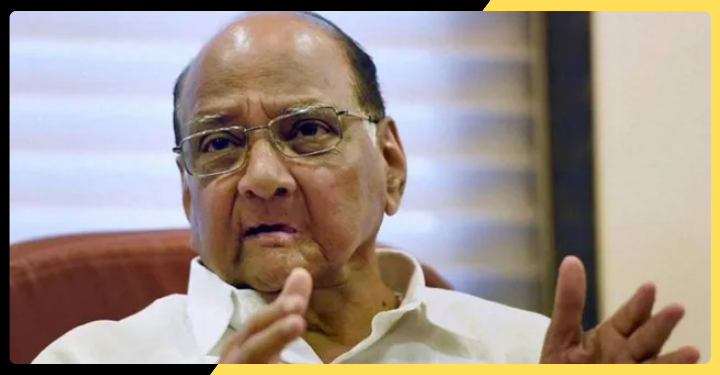
Political analysts note that Sharad Pawar has long been known for emphasizing discipline and organizational efficiency. Throughout his decades-long political career, he has often undertaken structural changes whenever he believed they were necessary to improve the party’s functioning. The latest move is being interpreted as another example of his preference for centralized decision-making during critical phases.
Reactions from rival parties have been mixed. Some opposition leaders claimed that the dissolution of the spokesperson panel points to internal unease within the Sharad Pawar camp. Others argued that organizational reshuffles are a routine part of political management and should not automatically be interpreted as a sign of crisis.
Within the party, workers have largely adopted a wait-and-watch approach. District-level leaders say they are awaiting further instructions from the central leadership regarding media interactions and public communication. Until a new spokesperson panel is announced, senior office-bearers are expected to handle official statements and respond to political developments.
The decision has also generated significant interest among political commentators, many of whom expect the new spokesperson panel to reflect the party’s future priorities. Factors such as regional representation, media experience, political expertise, and organizational loyalty are likely to influence the selection process. The composition of the new team may offer valuable clues about the direction in which the Sharad Pawar-led NCP intends to move.
As Maharashtra prepares for another phase of political activity, parties are increasingly focusing on organizational preparedness alongside electoral strategy. Communication has emerged as one of the most important tools for shaping public perception, responding to opponents, and presenting policy positions. The NCP’s latest move suggests that its leadership considers message discipline essential for maintaining credibility and strengthening its political presence.
Although the party has not announced when the new spokesperson panel will be unveiled, expectations are high that the appointments will be made after a comprehensive internal review. Until then, the late-night decision remains one of the most talked-about developments in Maharashtra politics, highlighting the leadership’s intent to reshape the party’s communication strategy before the next round of political challenges.
Journalist Details