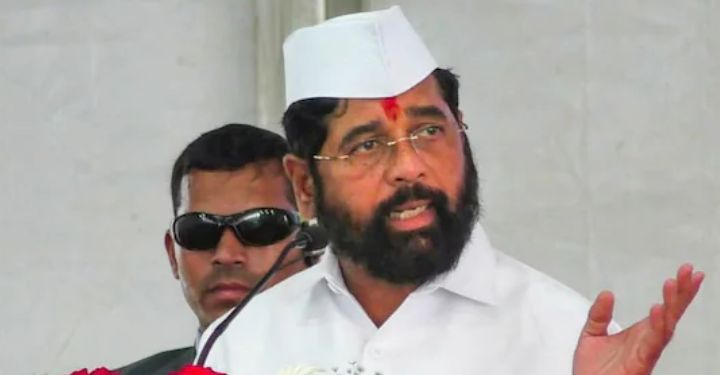
On the evening of June 6, 2025, Maharashtra Deputy Chief Minister Eknath Shinde found himself grounded—not by weather or technical snag—but by one of the most non-negotiable aspects of modern aviation: pilot duty limitations. Shinde was left waiting for over an hour at Jalgaon Airport after the pilot of his chartered flight refused to fly back to Mumbai due to exceeding permissible working hours.
The delay followed a hectic day for Shinde, who had attended the revered Sant Muktai ‘Palkhi Yatra’ in Muktainagar, a traditional religious procession that sees thousands of devotees participating annually. As the event concluded, Shinde headed to the airport to return to Mumbai, only to be informed that the assigned pilot had completed his duty cycle as per DGCA guidelines.
Aviation experts explain that duty hour limits are part of global safety standards and are rigorously enforced by India’s civil aviation regulator. These measures are designed to prevent fatigue-induced errors by flight crew, which have historically contributed to accidents. Once a pilot clocks their maximum duty time, they are legally prohibited from operating an aircraft.
This seemingly mundane policy turned into a notable event due to the stature of the traveler. But Shinde reportedly remained calm and accepted the delay. Sources close to the event said there was no pressure exerted on the pilot to break protocol, and the Deputy CM waited patiently while alternate arrangements were made.
Deputy CM Devendra Fadnavis was quick to act upon learning of the situation. He coordinated a backup travel solution and, in an inspiring twist, shared the journey with a kidney patient in urgent need of medical assistance in Mumbai. The act of including the patient in the new flight plan received applause online and in public forums.
“This is what leadership looks like—resolving issues calmly and helping others in the process,” said political analyst Anjali Mehta. “Both Shinde’s restraint and Fadnavis’s proactive response send a powerful message.”
The event was not just a lesson in crisis management but also a case study in how rules and leadership intersect. It reinforced the idea that safety regulations—especially those concerning aviation—are above political considerations.
The DGCA reiterated in a statement following media reports that duty limitations for pilots are based on international best practices and are aimed at protecting the lives of passengers and crew. “There are no exceptions,” the agency clarified.
Reactions from across the political spectrum remained positive. Senior officials within the state administration praised the calm handling of the delay. Meanwhile, civil aviation professionals hailed the pilot’s resolve and integrity.
In an era where public officials are often scrutinized for expecting special treatment, this incident stood out for its adherence to principles and professionalism. By waiting patiently and respecting the rules, Shinde and his team helped set a precedent for how VIP travel should adapt to standard aviation norms.
For the common citizen, it was an unusual but welcome sight—two senior politicians, a professional pilot, and an emergency medical case all intersecting in one story that highlighted safety, leadership, and compassion.
Journalist Details