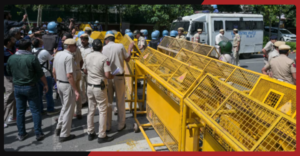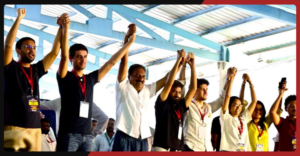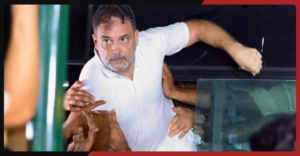
Growing concern over examination paper leaks has once again placed India’s education system under intense public scrutiny, with a prominent activist’s hunger strike becoming a rallying point for students demanding greater transparency and accountability. As the protest enters a critical phase, appeals from medical professionals, student organizations, and public figures have intensified, urging the activist to end the fast while continuing the campaign through dialogue and democratic means.
The issue of examination paper leaks has become one of the most debated challenges facing India’s competitive examination system. Every year, millions of candidates prepare for entrance tests and government recruitment examinations, investing years of hard work, financial resources, and emotional commitment. When reports of question paper leaks emerge, they not only disrupt examination schedules but also shake confidence in institutions responsible for conducting fair and transparent assessments.
The hunger strike has drawn widespread attention because it highlights concerns shared by countless students across the country. Many candidates believe that repeated examination controversies undermine the principle of merit, allowing dishonest practices to overshadow genuine effort. Student groups have expressed frustration over cancelled examinations, delayed recruitment processes, and repeated uncertainty regarding future opportunities.
Healthcare experts have emphasized the dangers associated with prolonged fasting. Doctors warn that extended hunger strikes can lead to severe dehydration, muscle loss, low blood pressure, organ complications, and other serious medical conditions. They have encouraged the activist to safeguard personal health while continuing to advocate for reforms through discussions, legal action, and public engagement.
Family members and supporters have echoed these concerns, stating that preserving the activist’s health is essential for sustaining the larger movement. They argue that long-term advocacy requires strong leadership, and that meaningful reforms are more likely to succeed if negotiations continue without risking irreversible health consequences.
Government authorities have acknowledged public concerns surrounding examination security and have reiterated their commitment to improving existing systems. Officials have pointed to ongoing investigations into alleged examination fraud, the adoption of stronger digital security measures, enhanced surveillance during examinations, and stricter legal action against individuals involved in organized cheating networks. They maintain that protecting the credibility of competitive examinations remains a priority.
Despite these assurances, many students continue to call for broader structural reforms. Education policy experts suggest introducing advanced encryption technologies for question papers, strengthening cybersecurity measures, improving coordination between examination authorities and law enforcement agencies, and establishing independent oversight bodies to monitor examination procedures. Such reforms, they argue, could significantly reduce opportunities for organized malpractice.
The controversy has also highlighted the immense pressure faced by examination candidates. Many young people dedicate several years to preparing for highly competitive tests while managing coaching expenses, family expectations, and limited employment opportunities. A cancelled examination or confirmed paper leak often means months of additional preparation, increased financial burden, and considerable emotional stress.
Education specialists believe that restoring trust requires more than responding to individual incidents. They recommend comprehensive reforms that include transparent investigation procedures, faster prosecution of offenders, improved recruitment timelines, and regular audits of examination security protocols. These measures would help reassure students that authorities are committed to protecting fairness throughout the examination process.
Public discussion has expanded beyond education alone, touching on broader themes of governance, accountability, and institutional integrity. Social media platforms have become important spaces where students share personal experiences, discuss examination challenges, and advocate for stronger safeguards. Online campaigns calling for fair examinations have attracted support from educators, parents, and former candidates who recognize the long-term importance of maintaining public confidence.
Political leaders from different backgrounds have also commented on the issue. While opinions differ regarding the methods of protest, many agree that examination integrity is essential for ensuring equal opportunities. Several leaders have encouraged constructive dialogue between stakeholders to identify practical solutions that balance immediate concerns with long-term institutional reforms.
Legal experts argue that tougher penalties for organized examination fraud may discourage future misconduct. They also recommend faster judicial proceedings in paper leak cases to ensure accountability and prevent prolonged uncertainty for affected candidates. Swift legal action, they say, would demonstrate that examination-related corruption carries serious consequences.
As the hunger strike continues to attract national attention, many observers hope the renewed focus will encourage lasting improvements in examination administration. Whether through legislative reforms, technological innovation, or stronger institutional oversight, protecting the integrity of competitive examinations remains a shared objective for students, educators, policymakers, and the wider public.
The coming weeks may prove significant as discussions continue between concerned groups and authorities. While appeals for the activist to end the hunger strike grow stronger, the broader demand for transparent, secure, and merit-based examinations continues to resonate across the country. For millions of aspiring students, meaningful reforms would represent not only administrative improvements but also renewed faith that hard work and dedication will be rewarded fairly.
Journalist Details