A fresh wave of optimism has emerged in the Middle East after Iran confirmed that negotiations with Oman over a key agreement concerning the Strait of Hormuz have entered their final phase. The announcement gained further international attention after former U.S. President Donald Trump suggested that a significant diplomatic breakthrough could be on the horizon. While officials have not disclosed every detail of the negotiations, the developments have sparked hopes that one of the world’s most strategically important maritime routes could soon witness greater stability.
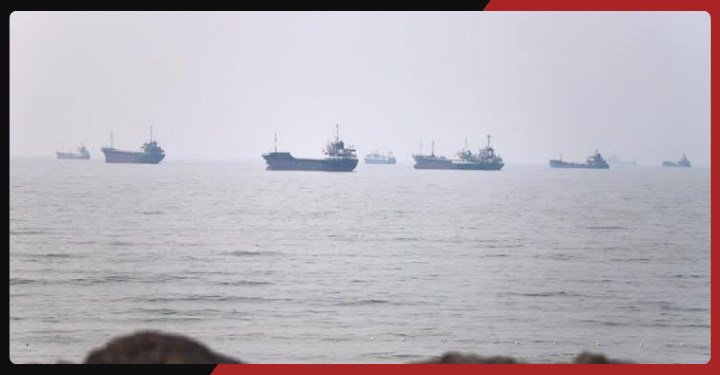
The Strait of Hormuz is a narrow waterway connecting the Persian Gulf to the Gulf of Oman and the Arabian Sea. Despite its relatively small size, it carries nearly 20 percent of the world’s crude oil and liquefied natural gas exports. Every day, dozens of oil tankers and commercial vessels pass through the strait, making it one of the busiest shipping corridors on the planet. Any conflict or disruption in this region has immediate consequences for global energy prices, shipping costs, and economic stability.
Iranian officials stated that discussions with Oman have made considerable progress and that the proposed agreement is nearing completion. According to government representatives, only a few technical procedures and legal formalities remain before the deal can be finalized. Although the exact provisions have not yet been made public, analysts believe the agreement is designed to strengthen maritime security, improve navigation safety, encourage regional cooperation, and prevent future conflicts in the Strait of Hormuz.
Oman has traditionally played the role of a neutral mediator in Middle Eastern affairs. Unlike many countries in the region, Oman has maintained cordial diplomatic relations with both Iran and Western nations. This balanced foreign policy has enabled Muscat to facilitate confidential negotiations during several regional crises. The country’s reputation as a trusted diplomatic bridge has once again placed it at the center of an important geopolitical development.
Donald Trump’s comments added another dimension to the unfolding story. Speaking about developments in the Gulf, Trump indicated that progress was being made and suggested that a breakthrough could be approaching. Although he did not provide detailed information or identify the parties involved, his remarks attracted widespread attention due to his previous administration’s hardline approach toward Iran. During Trump’s presidency, relations between Washington and Tehran deteriorated significantly following the U.S. withdrawal from the 2015 nuclear agreement and the reimposition of economic sanctions.
Political experts believe the latest diplomatic efforts reflect changing priorities across the Middle East. Many regional governments now recognize that prolonged tensions discourage foreign investment, increase military spending, and create uncertainty for international trade. Improving security in the Strait of Hormuz benefits not only Iran and Oman but also neighboring Gulf countries whose economies depend heavily on uninterrupted oil exports.
The proposed agreement could have significant economic implications. Global financial markets often react quickly to developments involving the Strait of Hormuz because any threat to shipping can disrupt energy supplies worldwide. Even the possibility of improved regional cooperation has the potential to stabilize oil prices and reduce insurance premiums for commercial vessels operating in the Gulf. Investors generally welcome diplomatic progress that lowers geopolitical risks.
The shipping industry is closely monitoring the negotiations. International shipping companies have long faced increased operational costs due to heightened security concerns in the Gulf. Tankers traveling through the Strait of Hormuz often require additional insurance coverage and enhanced security measures during periods of political tension. A successful agreement could improve confidence among shipping operators and reduce expenses associated with regional instability.
Security concerns remain a major factor driving the negotiations. Over the past decade, the Strait of Hormuz has witnessed several incidents involving tanker seizures, drone attacks, naval patrols, and allegations of sabotage. These events repeatedly raised fears that a localized confrontation could escalate into a broader regional conflict affecting global energy supplies. Diplomatic agreements focused on maritime coordination and communication could help reduce the risk of accidental military encounters.
Iran also has economic reasons to pursue greater regional stability. The country continues to face economic challenges resulting from international sanctions, inflation, and limited access to global markets. Improved diplomatic relations with neighboring countries may help create opportunities for increased trade and regional cooperation while demonstrating Tehran’s willingness to engage in constructive dialogue.
For Oman, the agreement reinforces its long-standing policy of peaceful diplomacy. The Sultanate has consistently avoided taking sides in regional disputes, instead promoting dialogue and negotiation. This approach has earned Oman widespread respect among both regional governments and international powers seeking peaceful solutions to complex geopolitical challenges.
International observers remain cautiously optimistic. Analysts emphasize that while the negotiations appear promising, the true measure of success will depend on how effectively the agreement is implemented after signing. Building trust among regional actors requires continued communication, transparency, and adherence to international maritime laws governing navigation and security.
The broader geopolitical environment also appears more favorable for diplomatic engagement than in previous years. Several Gulf countries have taken steps toward improving relations with former rivals, recognizing that cooperation often produces greater economic benefits than prolonged confrontation. Maritime security has become a shared concern because every nation relying on Gulf trade stands to benefit from a safer shipping environment.
Energy analysts note that a successful Hormuz agreement would send a positive message to global markets. Stable shipping routes encourage investment, protect supply chains, and reduce uncertainty for businesses dependent on reliable energy deliveries. Although one agreement cannot eliminate every regional challenge, it could represent an important confidence-building measure.
As negotiations approach their conclusion, governments, businesses, and international organizations will continue monitoring developments closely. If Iran and Oman finalize the agreement as expected, it could become one of the most significant diplomatic achievements in the Gulf in recent years. Combined with growing international support for dialogue, the deal may help strengthen regional security, improve economic cooperation, and ensure safer passage through one of the world’s most critical maritime corridors.
Journalist Details