The dispute over alleged irregularities in Jharkhand’s recruitment examinations has entered another critical phase, with a second round of talks between student representatives and the state government failing to end the ongoing agitation.
The government has attempted to bring the protesting aspirants to the negotiating table through a special ministerial panel. Several meetings have taken place over the past few days, but students continue to insist that the protest will not end until their major demands are addressed through formal decisions.
The controversy involves examinations conducted by the Jharkhand Public Service Commission and Jharkhand Staff Selection Commission. Students have raised questions about the conduct and credibility of certain recruitment examinations and are demanding changes in the examination system.
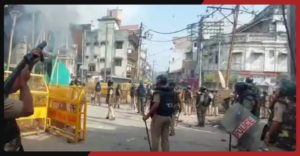
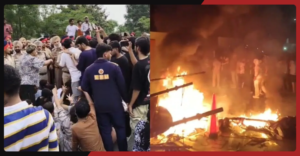
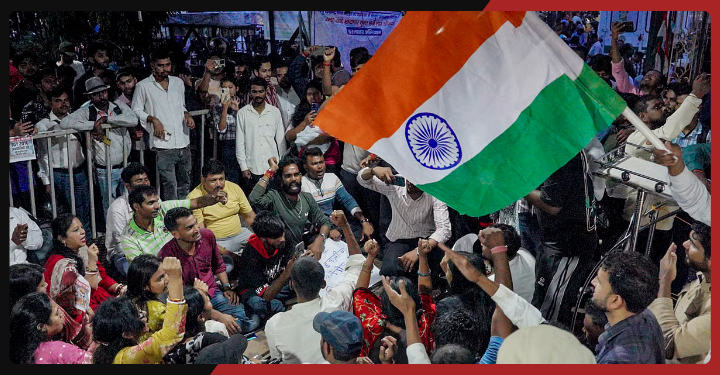
The agitation has been particularly visible in Ranchi, where students have maintained a protest site at Jaipal Singh Stadium. The movement has continued for more than two weeks and has included an indefinite hunger strike by student leader Devendra Nath Mahto. His deteriorating health has added further urgency to the situation.
The government has held talks with several student organisations. On Friday night, discussions took place with the JPSC-JSSC Reforms Manch, followed by several rounds of meetings on Saturday with other groups, including NSUI, Jharkhand Chhatra Morcha and Adivasi Chhatra Sangh.
The government says the discussions have been conducted in a positive atmosphere. Officials have stated that the administration is considering the concerns raised by aspirants and is committed to improving the recruitment examination process.
A government feedback email has also been opened to allow students and other stakeholders to submit recommendations regarding reforms. The suggestions are expected to be considered before the government takes further decisions.
Students, however, remain unconvinced that the process has gone far enough. Their argument is that recruitment examinations determine the future of thousands of young people and therefore require the highest standards of transparency.
Among the demands raised by student organisations is the cancellation of the 14th JPSC Civil Services Examination. Other demands include investigations into examinations suspected of irregularities, cancellation of tests where wrongdoing is established and structural reforms in the recruitment system.
Another major demand concerns the creation of a Jharkhand Testing Agency. The proposal is intended to establish a dedicated mechanism for conducting recruitment examinations and potentially reduce dependence on agencies whose functioning may come under scrutiny.
Language has also emerged as an important issue. The Adivasi Chhatra Sangh has demanded that tribal and regional languages be included as qualifying papers in recruitment examinations.
The government is under pressure not only because of the protests but also because the controversy has attracted political attention. Opposition figures have criticised the handling of the examination process, increasing pressure on the Hemant Soren government.
At the same time, the investigation into alleged irregularities continues. Authorities have arrested 19 people in connection with the JPSC examination case, while former commission chairperson L Khiangte has reportedly been questioned four times since July 28.
The protesters have announced that they will continue their agitation and have planned an Assembly march if their demands are not resolved.
The latest developments indicate that the dispute is no longer simply about individual examinations. It has developed into a broader demand for institutional reform, accountability and confidence in Jharkhand’s government recruitment system.
Until the government takes decisions that students consider satisfactory, the possibility of further protests remains high.
Journalist Details