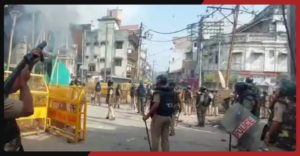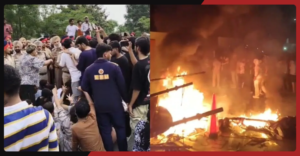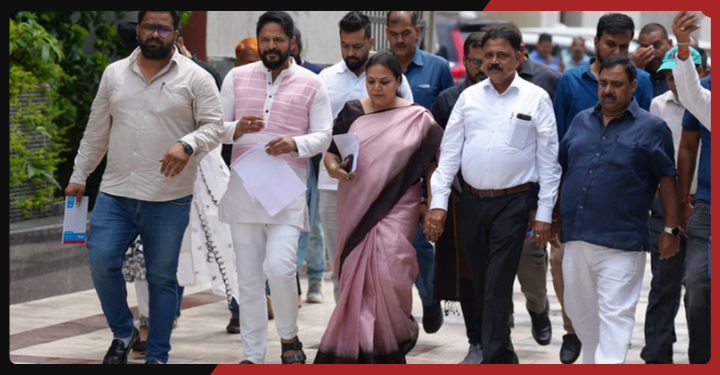
The student agitation in Jharkhand showed no signs of ending after another round of discussions between government representatives and a faction of protesting students failed to produce an agreement. The latest development has kept the dispute alive and raised questions about when a settlement can finally be reached.
The government has been engaging with student representatives in an effort to understand their concerns and explore a possible solution. However, the latest meeting ended without a breakthrough, with the protesters continuing to insist that their demands require concrete action.
The student movement has emerged as an important issue in the state, particularly because it involves concerns affecting young people seeking education and employment opportunities. Students have been demanding that the government address issues that they say directly affect their academic and professional future.
The latest talks were significant because they involved another faction of the protesting students. The administration’s decision to speak with different groups reflects the complexity of the movement and the presence of multiple voices within the broader agitation.
However, negotiations with different factions can also make it harder to reach a common agreement. A proposal accepted by one group may not necessarily satisfy another. This appears to have contributed to the lack of progress in the latest meeting.
Student representatives have maintained that they are prepared to continue their agitation until their demands receive a satisfactory response. Their position suggests that the protest is unlikely to disappear immediately unless the government makes a significant move.
The administration faces the challenge of balancing dialogue with maintaining public order. Protests are an important part of democratic expression, but prolonged demonstrations can also create disruptions. A negotiated settlement would therefore be in the interest of both sides.
The continuing agitation also highlights the wider frustration among students over issues relating to government recruitment and examinations. For many young people, government jobs represent an important source of stable employment. Any uncertainty surrounding recruitment processes can therefore have a major impact on their plans.
The government could now consider additional meetings with student representatives. A broader dialogue involving all major factions could potentially help reduce differences and create a framework for resolving the dispute.
For the protesters, the latest failure has reinforced their determination. They are expected to continue organising and voicing their demands until they receive a response that they consider acceptable.
The situation remains fluid, and further developments could emerge as the government assesses its next steps. Whether the authorities can bring all protesting groups to the negotiating table may become an important factor in determining the future of the agitation.
For now, the message from the student side remains clear: the protest will continue. With negotiations yet to produce an agreement, Jharkhand’s student agitation remains one of the state’s closely watched developments.
Journalist Details