A reported breakthrough in Middle East diplomacy has placed the spotlight on a peace initiative identified as the “Board of Peace,” which is said to have facilitated a landmark disarmament agreement involving Hamas in the Gaza Strip. If confirmed and successfully implemented, the agreement could represent one of the most significant efforts in recent years to reduce armed conflict, improve humanitarian conditions, and pave the way for long-term regional stability. However, the reported development awaits independent verification and the release of detailed implementation plans.
According to reports describing the agreement, Hamas has expressed willingness to participate in a phased disarmament process under the supervision of international observers. In return, the proposed framework reportedly includes humanitarian assistance, reconstruction funding, expanded access to essential services, and commitments to maintain a lasting ceasefire. The initiative seeks to balance security concerns with urgent humanitarian needs, recognizing that sustainable peace depends on both.
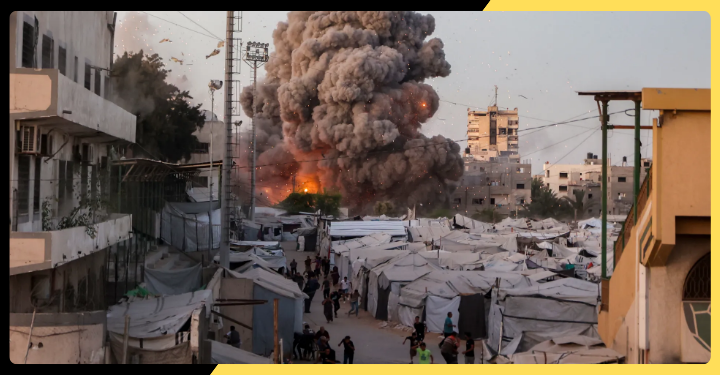
The Gaza Strip has endured decades of conflict, political instability, economic hardship, and repeated military confrontations. Millions of civilians have faced shortages of food, clean water, electricity, medicine, and other essential supplies. Large sections of infrastructure—including residential neighborhoods, schools, hospitals, roads, and public utilities—have suffered extensive damage over successive periods of violence.
Supporters of the reported agreement believe that reducing armed activities could create the conditions necessary for rebuilding Gaza’s economy and restoring normal life. Reconstruction efforts could include repairing damaged homes, expanding healthcare facilities, improving educational institutions, restoring electricity and water systems, and encouraging investment that generates employment opportunities for local residents.
One of the most significant aspects of the proposed agreement is the reported creation of an international monitoring mechanism. Independent observers would reportedly oversee the gradual surrender, storage, or decommissioning of weapons while ensuring that all parties comply with agreed timelines. Such verification systems are often considered essential in peace agreements because they help build confidence among participants and reduce the risk of misunderstandings.
The reported role of the “Board of Peace” has attracted attention because successful mediation in longstanding conflicts requires sustained diplomatic engagement, neutrality, and cooperation from multiple stakeholders. Peace initiatives often involve months or even years of confidential negotiations before agreements become public. Mediators typically work to identify areas of compromise while addressing security, humanitarian, and political concerns raised by all sides.
Humanitarian organizations have reacted positively to reports emphasizing civilian welfare. Aid agencies have consistently argued that protecting civilians must remain the highest priority in any peace initiative. Improved access for humanitarian workers could allow greater delivery of food, medical supplies, clean drinking water, shelter materials, and emergency assistance to communities affected by years of conflict.
Regional governments have responded cautiously, welcoming any initiative that reduces violence while stressing the importance of careful implementation. Diplomats note that peace agreements succeed only when commitments are honored over time. Building trust after prolonged conflict remains one of the most difficult aspects of any diplomatic process.
Security analysts also emphasize that disarmament is rarely completed quickly. Successful implementation usually requires clearly defined phases, verification procedures, dispute-resolution mechanisms, and continuous dialogue among participating parties. International cooperation is often necessary to maintain momentum and respond to challenges that arise during implementation.
Residents of Gaza have expressed cautious optimism in response to reports of the agreement. Many families have lived through repeated cycles of violence and displacement, making peace a deeply personal aspiration. Parents hope future generations can grow up with improved educational opportunities, stable employment, reliable healthcare, and the freedom to live without constant fear of armed conflict.
Economic experts suggest that lasting stability could encourage international investment and support long-term development projects. Rebuilding transportation networks, expanding commercial activity, supporting local businesses, and improving public services could help strengthen Gaza’s economy and reduce dependence on emergency humanitarian assistance.
Nevertheless, important questions remain unanswered. Details regarding implementation schedules, verification arrangements, political commitments, and international participation have not yet been fully clarified. Observers caution that peace agreements often encounter obstacles during execution, making sustained diplomatic engagement essential.
The international community has repeatedly emphasized that lasting peace requires addressing both immediate humanitarian needs and broader political issues. Continued dialogue, reconstruction assistance, economic development, and respect for international law are widely viewed as key elements of any durable solution.
If the reported agreement is successfully implemented, it could represent a meaningful step toward reducing violence and improving living conditions for civilians in Gaza. While many challenges remain, the initiative has generated cautious hope that diplomacy, cooperation, and sustained international engagement may help create a more peaceful and stable future for the region.
Note: This article is written from the premise provided in your prompt. If you intend to publish it as news, the reported agreement should first be verified through credible and authoritative sources, as I could not independently confirm the existence of this reported “Board of Peace” agreement.
Journalist Details