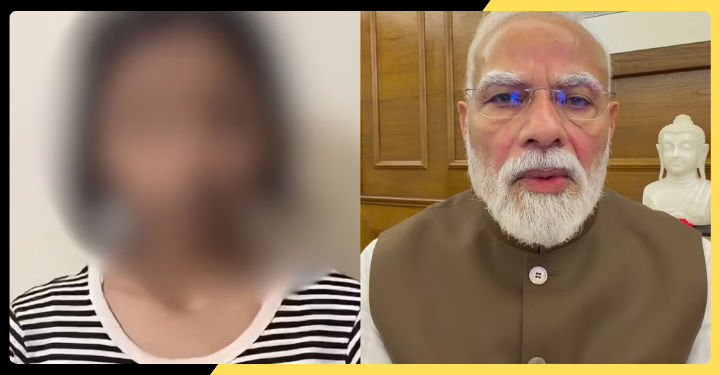
A 15-year-old boy from Noida has become the center of a nationwide controversy after a video allegedly showing him using abusive language against Prime Minister Narendra Modi went viral on social media. The clip, which spread rapidly across platforms including X, Instagram, Facebook, and WhatsApp, triggered sharp reactions from political supporters, legal experts, educators, and ordinary citizens. What began as a short online video soon transformed into a national conversation about responsible social media use, freedom of speech, and the accountability of minors in the digital age.
The controversy intensified after another video surfaced in which the teenager publicly apologized for his actions. Standing with folded hands, he expressed regret and appealed for forgiveness. “I am sorry to the entire nation. I am just 15 years old. I made a mistake. Please forgive me,” the boy said in the emotional clip. The apology itself quickly went viral, drawing millions of views and generating thousands of comments from people with differing opinions.
The original video reportedly contained remarks that many viewers considered offensive and disrespectful toward the Prime Minister. As the clip gained traction online, users began sharing it extensively, leading to intense debates across social media. Supporters of the Prime Minister condemned the language used in the video and demanded strict action. Others argued that while the remarks were inappropriate, the teenager’s age should be taken into account before any harsh punishment is considered.
Authorities reportedly took note of the viral video after complaints were made. Since the individual involved is only 15 years old, any legal proceedings would fall under the Juvenile Justice (Care and Protection of Children) Act. Under Indian law, minors are generally treated differently from adults, with greater emphasis placed on counseling, rehabilitation, and education rather than punitive measures.
Legal experts explained that India’s Constitution guarantees freedom of speech under Article 19(1)(a), but that freedom comes with reasonable restrictions. Speech that is defamatory, promotes public disorder, or incites hatred may attract legal scrutiny. However, because the accused in this case is a juvenile, legal authorities are expected to prioritize corrective action instead of criminal punishment.
The apology video has become almost as widely discussed as the original clip. Many citizens praised the teenager for accepting responsibility and apologizing publicly. They argued that recognizing one’s mistake and expressing genuine remorse is an important first step toward learning from the experience. Others, however, questioned whether the apology was voluntary or made under public pressure following the backlash.
The incident has also renewed concerns about the influence of social media on teenagers. Experts say many young people often create controversial or provocative content to gain attention, increase followers, or become viral without fully understanding the consequences. With smartphones and internet access becoming increasingly common among school-going children, digital behavior has become an important issue for parents and educators alike.
Child psychologists believe adolescence is a stage where emotional maturity is still developing. Teenagers may sometimes imitate content they see online or speak impulsively without realizing the long-term consequences of their words. Public humiliation or harsh punishment, they argue, may not always be the most effective solution. Instead, guidance, counseling, and education can help prevent similar incidents in the future.
Education experts have used the controversy to highlight the need for digital literacy in schools. They believe students should be taught not only how to use technology but also how to communicate respectfully online, understand cyber laws, identify misinformation, and appreciate the consequences of posting offensive material. As social media increasingly shapes public opinion, responsible online conduct has become an essential life skill.
Political analysts observed that the incident demonstrates how quickly social media can amplify individual actions into national controversies. Within a few hours, a short video recorded by a teenager reached millions of people across the country, leading to debates on television, news websites, and online forums. Such incidents illustrate the immense power of digital platforms in influencing public discourse.
The controversy also highlights the growing challenge faced by law enforcement agencies in balancing freedom of expression with maintaining public order. Authorities must ensure that laws are applied fairly while also considering the age and circumstances of those involved. In cases involving juveniles, the legal system is specifically designed to encourage reform and reintegration rather than punishment alone.
Public opinion remains divided. One group believes offensive remarks against constitutional authorities should never be tolerated and that strict legal action is necessary to deter similar incidents. Another section argues that children often make mistakes, and society should focus on educating them instead of permanently stigmatizing them for youthful errors.
Parents have also joined the conversation, emphasizing the importance of monitoring children’s online activities. Many believe that families should have regular discussions about responsible internet use, respectful communication, and the lasting impact that digital content can have on an individual’s future. Once a video becomes viral, it can remain online indefinitely, affecting educational and career opportunities.
The Noida teenager’s apology has become a reminder that every social media post carries consequences. While the legal process, if any, will follow the framework established for juveniles, the larger lesson extends far beyond one individual. The incident serves as an example of how digital platforms can transform a moment of poor judgment into a nationwide issue within hours.
As discussions continue, experts hope the case will encourage greater awareness among young internet users about responsible online behavior. Respectful dialogue, critical thinking, and digital responsibility are becoming increasingly important in today’s connected world. The teenager’s apology may mark the end of one controversy, but it has also sparked a broader conversation about youth, social media, and accountability in modern India.
Journalist Details